
BLOG
The History of Leatheling: An Ancient Craft in a Modern World


Leatheling is more than just a craft; it’s a timeless journey that intertwines artistry, tradition, and innovation. This ancient practice has shaped societies for centuries, turning raw hides into functional and beautiful creations. From the sturdy boots of medieval warriors to the elegant handbags of modern fashionistas, leather continues to be an integral part of our lives. As we navigate through its rich history, we’ll uncover how leathers have evolved while maintaining their allure and significance in today’s fast-paced world. Join us as we delve into the fascinating story behind leathers—and discover why this age-old art form still captivates hearts and minds around the globe.
The Origins of Leather Crafting
Leather crafting has deep roots in human history. It dates back thousands of years, with evidence found in ancient cave paintings and archaeological sites. Early humans discovered the benefits of animal hides for protection against the elements.
Initially, leather was a practical necessity. It provided clothing, shelter, and tools essential for survival. As societies evolved, so did techniques. People began to experiment with tanning methods to preserve hides and enhance their durability.
Ancient Egyptians crafted intricate leather goods adorned with hieroglyphs. The Greeks used it for armour and footwear while the Romans took it further by developing specialized workshops dedicated to leather production.
This craft became intertwined with culture as artisans passed down skills through generations. Each civilization added its flair, creating unique patterns and designs that reflected its identity and beliefs. Thus started an enduring relationship between humanity and this versatile material.
Evolution of Leatheling Techniques and Tools
The evolution of weathering has seen remarkable advancements over centuries. Initially, this craft relied on basic tools like bone needles and sharpened stones for stitching and cutting hides. These rudimentary instruments laid the foundation for a more refined approach.
With time, artisans began to develop specialized tools. The introduction of metal blades enhanced precision in cutting leather shapes. As techniques progressed, so did the materials used, with innovations such as synthetic dyes revolutionizing colour options.
In recent years, technology has played a pivotal role in transforming leathering practices. Laser cutters now enable intricate designs that were once unimaginable by hand. Additionally, digital patterns allow creators to experiment without wasting valuable resources.
Despite these advancements, traditional methods are still cherished today. Many craftsmen blend age-old skills with modern technology to create unique pieces that pay homage to their heritage while embracing contemporary aesthetics.
The Role of Leather in Different Cultures and Time Periods
Leather has woven itself into the fabric of countless cultures throughout history. In ancient Egypt, it was used for armour and sandals, signifying status and protection. The durability of leather made it a prized possession among warriors.
In medieval Europe, leather crafting reached new heights. It adorned everything from clothing to religious artefacts. Skilled artisans created intricate designs that showcased both functionality and artistry.
Meanwhile, indigenous cultures utilized animal hides for shelter, clothing, and tools. Their methods were deeply connected to nature, emphasizing respect for the animals they hunted.
Across Asia, leather became synonymous with tradition in crafts like Japanese saddlery or Indian footwear known as jutti. Each culture adapted techniques based on available resources and societal needs.
Today’s global market still holds onto these rich traditions while embracing innovation in design and usage.
Modern Uses for Leatheling
Today, Leatheling finds its place in various aspects of modern life. From fashion to functionality, leather continues to captivate.
Handcrafted leather bags and wallets are sought after by those who appreciate quality and durability. Each piece tells a story through its unique textures and finishes.
In the world of home decor, leather accents add sophistication. Think stylish chairs or elegant wall hangings that bring warmth to any space.
The tech industry has also embraced leathery innovation. Leather cases for gadgets offer protection while enhancing aesthetics.
Even in sustainable practices, artisans are exploring vegetable-tanned options that honour tradition without compromising our environment.
As creativity flourishes, the versatility of Leatheling expands into unexpected territories—making it more relevant today than ever before.
Sustainability and Ethical Concerns in the Leather Industry
The leather industry faces growing scrutiny regarding sustainability and ethics. Many consumers are becoming more conscious of the environmental impact associated with traditional leather production.
Animal welfare is a significant concern. The treatment of animals in various farming practices raises questions about humane sourcing. As awareness increases, brands are pressured to adopt transparent policies.
Additionally, tanning processes often rely on toxic chemicals that can pollute local waterways. This has sparked interest in alternative methods that minimize harm to both people and the planet.
Innovative solutions like plant-based or lab-grown leathers are emerging as sustainable options. These materials offer an ethical alternative without compromising quality or durability.
Consumers today seek products that align with their values, pushing companies to rethink their practices. The future of leaving may well hinge on balancing tradition with responsibility towards our environment and society at large.
Conclusion: The Timeless Art of Leatheling in Today’s Society
Leatheling stands as a testament to human creativity and resilience. This ancient craft, with roots that trace back thousands of years, has adapted beautifully to the demands of modern life. Today, artisans blend traditional techniques with contemporary designs, ensuring that leather remains not only a practical material but also an art form.
As we navigate through our fast-paced world filled with synthetic alternatives, the value of genuine leather becomes even more pronounced. Each piece crafted tells its own story—a narrative woven from history and personal touch.
Moreover, today’s emphasis on sustainability adds another layer to Leatheling’s relevance. With increasing awareness around ethical sourcing and eco-friendly practices in the industry, consumers are drawn toward products that reflect these values.
The enduring appeal of leather resonates across cultures and periods. From utilitarian uses in ancient civilizations to chic fashion statements today, Leatheling continues to capture hearts worldwide.
This timeless craft will likely evolve further as new technologies emerge or consumer preferences shift. Yet at its core lies a deep appreciation for artistry and craftsmanship—qualities that ensure Leatheling remains cherished for generations to come.


Candizi is an emerging term that has begun to capture attention in online searches, creative spaces, and digital conversations. In an era where originality and uniqueness matter more than ever, stands out as a flexible and adaptable keyword that can represent ideas, concepts, or even brand identities. This article provides a complete exploration of , explaining what it represents, how it is used, and why it continues to gain relevance across different digital environments.
Understanding the Concept of Candizi
Candizi does not belong to a single fixed definition, which is part of its appeal. It functions as a modern conceptual term that can be shaped according to context. For some, represents creativity and innovation, while for others it symbolizes a fresh digital identity. The openness of allows individuals and organizations to assign meaning based on their goals and audience.
The importance of lies in its versatility. Unlike traditional keywords that come with predefined associations, offers a clean slate. This makes it especially valuable in branding, content creation, and online storytelling where originality plays a crucial role.
The Evolution and Background of Candizi
The development of candizi reflects how language evolves in the digital age. Rather than originating from a historical or linguistic root, appears to have emerged organically through creative experimentation and online usage. Over time, repeated exposure and curiosity have given its growing presence.
As digital platforms continue to encourage unique identifiers, fits naturally into this evolution. It shows how modern terms can gain traction simply by being distinctive, memorable, and adaptable to multiple interpretations.
Candizi in Digital Creativity and Innovation
Creativity thrives on flexibility, and candizi provides exactly that. In creative industries, can be used as a project name, conceptual framework, or thematic identity. Because it does not limit interpretation, creators can build narratives, visuals, and strategies around it without restriction.
Innovation also benefits from terms like . When teams work on new ideas, having a neutral yet distinctive concept encourages open thinking. becomes a mental space where innovation can develop freely.
The Role of Candizi in Branding and Identity
Branding requires memorability, clarity, and originality. Candizi offers all three. Brands using can define their identity from scratch, ensuring that the keyword aligns perfectly with their vision and values. This level of control is difficult to achieve with commonly used terms.
The following table demonstrates how functions within branding contexts:
| Branding Aspect | How Candizi Fits | Outcome |
|---|---|---|
| Brand Naming | Unique and original term | Strong recognition |
| Identity Building | Flexible meaning | Clear positioning |
| Market Differentiation | No prior associations | Competitive advantage |
This table shows how supports long-term branding strategies while maintaining creative freedom.
Candizi and Its Appeal to Global Audiences
Candizi appeals to global audiences because it is linguistically neutral. It does not belong to a specific culture or language, which allows it to be adopted internationally without confusion. This global compatibility is essential in today’s interconnected digital world.
Another reason for its appeal is simplicity. is easy to pronounce, spell, and remember. These characteristics improve user engagement and make the keyword suitable for digital platforms, search engines, and social media.
Psychological Influence of Candizi on Users
Novelty plays a significant role in human attention, and candizi benefits from this psychological principle. When users encounter an unfamiliar yet pleasant-sounding term, curiosity is triggered. This curiosity often leads to deeper engagement, whether through searching, reading, or interaction.
also creates a sense of openness. Because it lacks a fixed definition, users feel invited to explore and interpret it. This emotional connection strengthens engagement and retention, particularly in creative or educational environments.
Candizi in Content Strategy and SEO
From an SEO perspective, candizi presents a valuable opportunity. As a unique keyword, it faces less competition while offering strong branding potential. Content creators can optimize articles, websites, and digital assets around without competing against oversaturated terms.
The table below highlights how performs in content strategy:
| SEO Element | Role of Candizi | Benefit |
|---|---|---|
| Keyword Competition | Low saturation | Easier ranking |
| Content Flexibility | Broad usage | Diverse topics |
| Search Intent | Curiosity-driven | Higher engagement |
This strategic advantage makes attractive for bloggers, marketers, and digital entrepreneurs.
Educational and Conceptual Uses of Candizi
In education, candizi can be used as a teaching tool to encourage abstract thinking. Educators can present as a concept and ask learners to define, expand, or apply it. This approach strengthens creativity, problem-solving skills, and conceptual understanding.
also works well in workshops, brainstorming sessions, and innovation labs. Its open nature removes limitations and allows participants to think freely without predefined constraints.
Challenges and Best Practices When Using Candizi
While candizi offers flexibility, clarity remains essential. Users should clearly explain what represents within their specific context. Without explanation, audiences may struggle to understand its relevance.
Consistency is another key factor. Once is defined within a project or brand, that meaning should remain stable across platforms. This consistency builds trust and recognition over time.
The Future Potential of Candizi
As digital communication continues to evolve, the relevance of adaptable keywords like candizi is expected to grow. With increasing demand for originality, has the potential to become a recognized concept in branding, creativity, and digital innovation.
Its ability to evolve alongside trends ensures longevity. can adapt to new technologies, platforms, and cultural shifts without losing relevance.
Final Thoughts on Candizi
Candizi represents the modern approach to language, creativity, and digital identity. Its flexibility, originality, and global appeal make it a powerful keyword for a wide range of applications. By understanding and using strategically, individuals and organizations can unlock new possibilities for expression and innovation.
As the digital world continues to value uniqueness, stands as a reminder that meanin
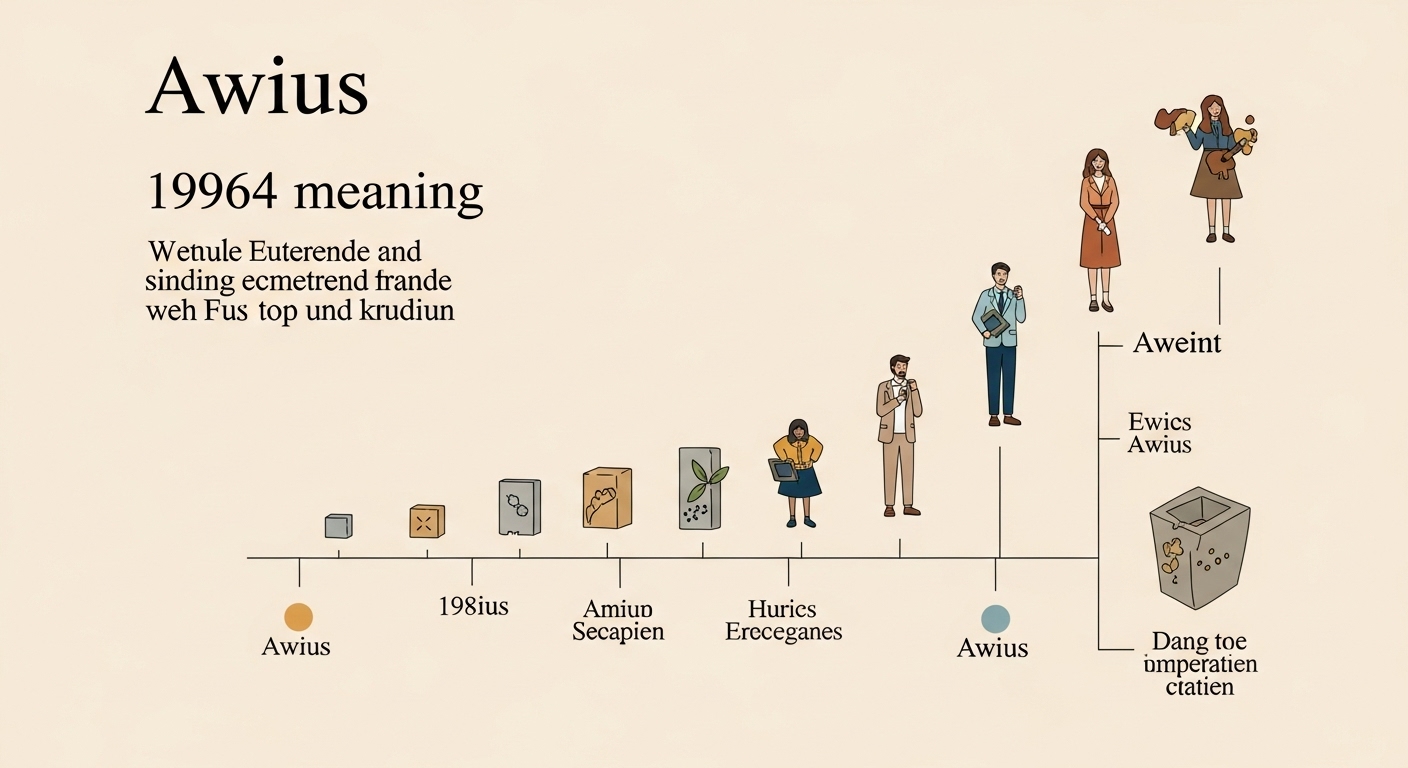
Awius is a term that has recently drawn attention in online searches and digital discussions, especially among users interested in emerging concepts, naming trends, and adaptable keywords. In an age where originality and uniqueness matter more than ever, stands out as a flexible and human-centered term. This article explores in detail, examining its meaning, potential interpretations, modern usage, and why it continues to gain relevance across different contexts.
What Is Awius and Why Does It Matter?
Awius can be described as a versatile keyword with no fixed limitation, allowing it to be shaped by usage and intention. Unlike traditional terms with strict definitions, functions as an open concept that can represent ideas, projects, systems, or digital identities. This flexibility is one of the key reasons has become appealing in modern communication.
The importance of lies in its adaptability. As digital platforms grow and competition for attention increases, unique terms like help individuals and brands create a distinct presence. Understanding means understanding how language evolves to support creativity and innovation.
The Background and Development of Awius
The development of awius is rooted in modern digital culture, where new words and terms often emerge without formal origins. appears to have grown organically, shaped by curiosity and repeated usage rather than strict linguistic rules. Over time, has gained recognition as a term that feels modern, neutral, and adaptable.
As more users encounter , they begin to associate it with originality and forward thinking. This gradual development shows how meaning can be created collectively, making a living example of language evolution in the digital age.
How Awius Is Used in Today’s Digital Environment
In today’s digital environment, awius is commonly used as a conceptual or identity-based keyword. It may appear as a project name, a creative label, or a framework for organizing ideas. Because does not carry strong predefined associations, it allows users to assign meaning that aligns with their goals.
This adaptability makes especially valuable in online spaces where branding, memorability, and clarity are essential. Whether used in content creation, digital platforms, or experimental ideas, provides room for growth and reinterpretation.
Awius and Its Role in Branding and Identity
Awius has strong potential as a branding and identity tool. Modern brands often seek names that are unique, easy to remember, and flexible enough to grow with the business. meets these criteria by offering originality without complexity.
The following table explains how functions in branding contexts:
| Branding Aspect | Use of Awius | Impact |
|---|---|---|
| Brand Naming | Unique identifier | Strong differentiation |
| Identity Building | Flexible meaning | Long-term adaptability |
| Audience Recall | Simple structure | Improved memorability |
This table shows how supports brand development while allowing creative freedom.
Awius in Technology and Innovation
In technology-driven spaces, awius is often associated with innovation and experimentation. Developers, designers, and digital creators prefer adaptable terms that do not limit future expansion. works well in this context because it can represent evolving systems, tools, or ideas.
As technology changes rapidly, having a term like allows for continuous redefinition. This makes it suitable for startups, digital platforms, and conceptual frameworks that may shift over time.
Psychological Appeal of Awius
From a psychological perspective, awius benefits from novelty and neutrality. Humans are naturally drawn to unfamiliar yet approachable terms. sounds balanced and modern, which encourages curiosity and exploration.
When users encounter , they are more likely to pause and consider its meaning. This moment of curiosity increases engagement and emotional connection, especially in digital content and branding environments.
Awius in Creative and Educational Contexts
In creative fields, awius acts as a blank canvas. Writers, artists, and designers can use as a theme or project name without being constrained by existing meanings. This freedom encourages originality and experimentation.
Educational environments also benefit from . Educators can use it as an example of abstract thinking, asking students to define, interpret, or expand upon its meaning. This approach strengthens critical thinking and creativity.
The table below illustrates how is applied in creative and educational settings:
| Context | Application of Awius | Result |
|---|---|---|
| Creative Projects | Conceptual title | Enhanced originality |
| Education | Abstract example | Improved critical thinking |
| Workshops | Idea framework | Flexible learning structure |
Challenges of Using Awius Effectively
While awius offers flexibility, it also requires clarity. Because the term does not have a fixed meaning, users must clearly explain what represents in their specific context. Without explanation, audiences may feel uncertain or confused.
Consistency is another important factor. Once is defined within a project or brand, that definition should remain stable across platforms. This consistency helps build trust and recognition over time.
Awius and Search Engine Optimization
From an SEO perspective, awius works well as a focus keyword because of its uniqueness. Low competition and high distinctiveness make it easier to rank when optimized correctly. However, responsible usage is essential to maintain natural readability.
Using strategically in titles, headings, and content allows search engines to understand relevance while still providing value to human readers. When balanced correctly, supports both discoverability and user engagement.
The Future Potential of Awius
The future of awius appears promising as digital culture continues to favor originality and adaptability. As more platforms emerge and naming competition increases, terms like will become even more valuable.
has the potential to evolve alongside technology, creativity, and communication trends. Its open-ended nature ensures that it can remain relevant regardless of changes in industry or audience expectations.
Final Thoughts on Awius
Awius represents more than a keyword; it reflects how modern language adapts to human creativity and digital growth. Its flexibility, simplicity, and global neutrality make it suitable for a wide range of applications. Whether used in branding, education, technology, or creative exploration, provides a foundation for innovation.
By understanding and using thoughtfully, individuals and organizations can create meaningful connections and stand out in an increasingly crowded digital landscape. is a reminder that sometimes, the most powerful ideas begin with an open definition and human imagination.

Thinking about giving your space a fresh look? Paint is fine, and plain wallpaper can work—but floral wallpaper might just be the easiest way to add life, charm, and personality to any room. It’s not only pretty; it can also completely transform how your home feels. Whether you’re aiming for cozy, dramatic, or bright and breezy, floral designs can help you get there.
Many homeowners are also drawn to materials with a tactile feel. Some, like natural fiber wallpaper, add layers and warmth to walls. They add depth and warmth. This feel works well with floral designs.
Why Floral Wallpaper Still Works
Floral patterns have been around for centuries, and they keep coming back for good reason. They’re versatile. Floral prints come in many looks. Some are small and vintage. Others are big and modern. So whatever your style is, there’s a floral print that will work.
They also bring nature indoors. In a time when we spend so much time inside, being surrounded by organic patterns and soft lines makes a big difference. A room with a nature-inspired design tends to feel more relaxing and lived-in.
And forget the old-fashioned stigma. Today’s floral wallpaper is nothing like your grandmother’s. It’s bold, sophisticated, and often used by top interior designers. You can find it in high-end hotels, restaurants, and editorial-style homes.
Where to Use Floral Prints
You don’t have to go all-in to enjoy the impact of floral wallpaper. Even one accent wall can shift the mood of a room. Here’s how different rooms can benefit:
Best Rooms for Floral Wallpaper:
- Bedrooms– Use soft florals in calming colors for a restful, cozy feel.
- Living rooms– A large-scale floral print behind the sofa can act like artwork.
- Bathrooms– Powder rooms are perfect for trying bold florals.
- Dining areas– Floral wallpaper creates a more welcoming and vibrant space.
Matching Floral Wallpaper with Other Styles
Floral wallpaper blends surprisingly well with other textures and elements. For instance, try mixing it with rattan furniture, metal finishes, or even concrete for a layered look. Pairing it with floral wallpaper from a trusted collection helps ensure good quality and a pattern that fits your vision.
If you love farmhouse or cottagecore interiors, small blossoms in soft colors work well. For modern homes, look for abstract or oversized flowers with strong contrast. Dark floral wallpaper works great in dramatic, moody spaces like a reading nook or a dining room with rich woods.
Tips to Keep It Balanced
Floral wallpaper is expressive, so it’s important to keep the rest of the room balanced. If your wall pattern is busy, go light on furniture details and colors. Simple shapes and neutral tones help the wallpaper shine without overwhelming the room.
Good lighting makes a big difference too. Natural light softens florals during the day, while warm indoor lighting adds coziness in the evening. Don’t forget—wallpapers with metallic details can reflect light beautifully, adding even more depth to the space.
Pros and Cons to Consider
Like any design choice, floral wallpaper comes with a few things to weigh.
Pros:
- Instantly adds personality and mood to a space
- Works with many styles from vintage to modern
- Helps define the function of a space (like a reading corner or vanity wall)
- Huge variety of colors, scales, and designs
- Easy to use in both bold and subtle ways
Cons:
- Can overwhelm small spaces if used on all walls
- Might require professional installation depending on the material
- Needs thoughtful coordination with furniture and decor
How to Start Small
If you’re unsure, don’t commit to a whole room. Try using floral wallpaper on:
- Just one feature wall
- The back of shelves or cabinets
- A hallway or entryway
- Inside a closet or wardrobe for a hidden surprise
Peel-and-stick versions are great if you’re renting or just want to try it out first. And if you’re feeling creative, you can even frame sections of wallpaper like art.
Final Thoughts
Floral wallpaper is more than a decorative trend—it’s a design tool. It helps you tell a story in your space. It brings movement, softness, and nature into rooms that otherwise might feel too plain or flat.
With so many options in scale, color, and style, it’s easy to find one that fits your personality and your home. Whether you go for subtle pastels or bold botanicals, you’ll be surprised by how much life a few flowers can bring to your walls.
-

 TECHNOLOGY2 years ago
Elevating Game Day Eats: A Guide to Crafting Crowd-Pleasing Sliders
-

 ENTERTAINMENT2 years ago
wave_of_happy_: Your Ultimate Guide
-
 FASHION2 years ago
GPMsign Fashion: Redefining Style with Purpose
-

 TECHNOLOGY2 years ago
Trader Joe’s Dayforce: Revolutionizing Workforce Management
-

 FOOD2 years ago
Altador Cup Food Court Background: A Culinary Extravaganza Unveiled
-

 HOME IMPROVEMENT1 year ago
What Kitchen Renovation Companies Offer Beyond Basic Remodeling
-

 SPORTS2 years ago
Score Chaser Sporting Clays: A Thrilling Pursuit of Precision
-
 NEWS2 years ago
Nyl2 Kemono: Unveiling the World