
HEALTH
Designing Tailored Recovery Plans for Unique Needs


Recovery isn’t a one-size-fits-all process. Every individual is unique, with distinct challenges, lifestyles, and goals. Whether someone is recovering from an injury, illness, addiction, or mental health condition, a personalized approach is essential for long-term success. This is where personalized recovery plans come into play—customized strategies designed to meet the specific needs of each person. By understanding the importance of individualized recovery strategies, we can create a roadmap that promotes healing and sustainable progress.
Why Personalized Recovery Plans Matter
A standard recovery plan may work for some, but for most people, it fails to address personal circumstances, preferences, and underlying conditions. A tailored recovery plan considers multiple factors, including:
Physical health and medical history – Some individuals may require gradual rehabilitation, while others need more intensive interventions.
Mental and emotional well-being – Psychological factors play a significant role in recovery, requiring adjustments to support mental resilience.
Lifestyle and commitments – A plan that accommodates work schedules, family responsibilities, and personal habits is more likely to succeed.
Personal motivation and goals – Recovery should align with what the individual values most, whether it’s regaining mobility, overcoming addiction, or improving overall wellness.
By taking these factors into account, a personalized recovery plan becomes more than just a routine—it becomes a comprehensive strategy that adapts and evolves based on individual progress.
Key Elements of a Personalized Recovery Plan
Designing an effective recovery plan involves a structured yet flexible approach. Here are the essential components:
1. Comprehensive Assessment
Before crafting a recovery plan, a thorough assessment is necessary. This includes:
- Medical evaluations (physical and psychological health assessments)
- Lifestyle analysis (daily routines, stress levels, and personal commitments)
- Past experiences with recovery or treatment programs
A professional, such as a physician, therapist, or coach, can help analyze this information to create a plan tailored to the person’s needs.
2. Goal Setting
Recovery should have both short-term and long-term goals. These should be SMART goals:
- Specific – Clearly defined objectives (e.g., walk without pain for 30 minutes by the end of the month).
- Measurable – Progress can be tracked (e.g., reduce medication intake from three to one pill per day).
- Achievable – Goals should be realistic and within reach.
- Relevant – They should align with personal needs and motivations.
- Time-bound – A clear timeline ensures accountability.
3. Customized Treatment Plan
A well-structured treatment plan may include:
- Physical therapy for mobility or pain management
- Cognitive behavioral therapy (CBT) for mental health recovery
- Medication management under medical supervision
- Nutritional guidance for better healing and energy restoration
- Lifestyle modifications, such as sleep improvement, stress reduction, and exercise
4. Support System Integration
Recovery isn’t just an individual journey; it requires a strong support system. This could include:
- Family and friends providing emotional support
- Support groups or community networks for encouragement
- Professional mentors, coaches, or therapists for guidance
Building a supportive environment increases the chances of successful recovery.
5. Regular Monitoring and Adjustments
Recovery is a dynamic process. Regular check-ins with healthcare providers, self-assessments, and tracking progress help fine-tune the plan. If a certain strategy isn’t working, adjustments can be made to improve effectiveness.
How Personalized Recovery Plans Help in Different Scenarios
1. Injury Recovery
For someone recovering from an injury, a tailored plan may involve:
- Gradual physical therapy exercises
- Pain management techniques
- Nutritional plans to support tissue healing
- Mental health support to cope with limitations
2. Addiction Recovery
A personalized addiction recovery plan would address:
- Identifying triggers and developing coping mechanisms
- Therapy sessions (individual and group counseling)
- Medication-assisted treatment if necessary
- Healthy lifestyle changes to promote long-term sobriety
3. Mental Health Recovery
For those dealing with anxiety, depression, or other mental health issues, the plan might include:
- Structured therapy sessions
- Medication management (if required)
- Stress-relief techniques such as mindfulness or yoga
- Encouraging a healthy daily routine with social engagement
FAQs About Personalized Recovery Plans
Q1: Who needs a personalized recovery plan?
Anyone undergoing recovery from physical injuries, addiction, mental health struggles, or chronic conditions can benefit from a tailored recovery plan.
Q2: Can I create a recovery plan on my own?
While self-guided plans are possible, consulting professionals (such as doctors, therapists, or fitness trainers) ensures the plan is safe and effective.
Q3: How long does a recovery plan take to show results?
Recovery timelines vary depending on individual circumstances. Some may see progress in weeks, while others require months or even years for full recovery.
Q4: What if my recovery plan isn’t working?
Recovery plans should be flexible. If progress isn’t happening as expected, adjustments can be made with professional guidance.
Q5: Is a personalized recovery plan expensive?
It depends on the treatments involved. However, a well-structured plan can help prevent costly setbacks and unnecessary treatments in the long run.
Conclusion
Recovery is a deeply personal journey, and a tailored plan can make all the difference. Personalized recovery plans provide structure while adapting to an individual’s unique needs, ensuring sustainable healing. By incorporating professional guidance, goal setting, supportive environments, and continuous assessment, individuals can achieve long-term success in their recovery efforts. Whether overcoming an injury, addiction, or mental health challenge, a customized approach ensures the best possible outcome—because no two recovery journeys are the same.

In the healthcare sector, medical waste disposal is a critical and often overlooked aspect of maintaining hygiene, safety, and environmental sustainability. Traditional methods of disposal, although effective to some extent, are increasingly being replaced by advanced technological solutions that offer greater efficiency, security, and environmental benefits. As the medical industry continues to evolve, the integration of technology in waste management is becoming not just a luxury but a necessity.
Medical waste management involves the safe collection, transportation, and disposal of hazardous waste generated during medical practices. In Canada, medical facilities and waste management companies are now exploring cutting-edge technologies to improve the entire disposal process. This transformation is fueled by the need to address health risks, reduce environmental impact, and comply with stringent regulations. Medical waste disposal solutions have seen remarkable advancements, and understanding the role of technology in this field is essential for ensuring both safety and sustainability.
The Importance of Safe Medical Waste Disposal
Medical waste, ranging from used syringes to contaminated surgical tools, poses a severe health risk if not properly managed. It can cause infections, environmental pollution, and even spread diseases. Improper disposal practices, like landfill dumping or open burning, contribute to these dangers. In this context, the integration of advanced technology helps mitigate these risks by providing safer, more efficient disposal methods.
How Technology is Revolutionising Waste Management
Advancements in medical waste disposal technologies are changing the way healthcare facilities handle and process waste. These technologies not only ensure a safer disposal process but also help reduce costs, improve regulatory compliance, and enhance sustainability. Some of the most significant technological developments in this space include:
1. Automated Waste Segregation Systems
Automating the process of waste segregation is a key improvement in medical waste disposal. In the past, waste segregation was a manual and time-consuming task, but today, technologies like robotic systems and smart sensors can efficiently sort medical waste based on its type, hazard level, and treatment requirement.
2. Sterilisation Technologies
Sterilisation is a critical step in medical waste disposal. Technologies like autoclaving, microwave irradiation, and high-heat incineration are commonly used to sterilize hazardous medical waste. However, newer innovations in sterilization, such as ozone treatment and plasma arc technology, are gaining traction. These methods not only offer more efficient and eco-friendly sterilization but also reduce the need for landfills and incinerators, which are harmful to the environment.
3. Waste-to-Energy Technologies
The concept of converting waste into energy is not new, but its application in medical waste disposal has been a significant advancement. Waste-to-energy technologies such as incineration with energy recovery or anaerobic digestion help convert medical waste into useful by-products like electricity and heat. This reduces the amount of waste sent to landfills and minimizes the environmental impact of disposal, offering a sustainable solution to an ongoing problem.
4. Real-Time Monitoring Systems
One of the most promising advancements in medical waste management is the use of real-time monitoring systems. These systems provide continuous tracking of waste containers and disposal processes using sensors and GPS technology. Real-time data ensures that waste is transported securely and that the entire disposal chain adheres to safety standards. This also helps in regulatory reporting, providing transparency and accountability in waste management practices.
5. Blockchain for Waste Traceability
Blockchain technology is revolutionizing waste management by providing an immutable, transparent record of waste disposal. In medical waste management, blockchain can track the entire lifecycle of medical waste—from generation to disposal. This ensures compliance with regulations, improves data security, and offers a traceable system that can prevent fraud or improper disposal practices.
Environmental Benefits of Modern Waste Disposal Technologies
Modernizing medical waste disposal systems not only enhances safety but also brings significant environmental benefits. Traditional disposal methods like incineration and landfilling contribute to pollution and greenhouse gas emissions. On the other hand, technology-driven solutions are more energy-efficient, reduce harmful emissions, and contribute to environmental conservation. For instance, waste-to-energy systems convert waste into clean energy, which can be used to power hospitals and medical facilities, further reducing carbon footprints.
6. Reducing Carbon Footprint with Smart Technology
By integrating smart technology into waste disposal, healthcare facilities can monitor their waste output, identify areas for improvement, and minimize unnecessary waste production. These solutions not only make waste management more efficient but also reduce the overall environmental impact.
7. Eco-friendly Alternatives to Traditional Disposal
Emerging technologies are providing eco-friendly alternatives to conventional waste disposal methods. Chemical treatments, biodegradable bags, and more efficient recycling processes are being implemented to reduce the environmental burden of medical waste. Additionally, advancements in waste incineration technology ensure that harmful pollutants are not released into the atmosphere.
Ensuring Compliance with Regulations Through Technology
The healthcare sector is heavily regulated, and the importance of compliance in medical waste management cannot be overstated. Governments worldwide have set stringent guidelines for how medical waste should be handled, stored, and disposed of to protect public health and the environment. Technology plays a key role in ensuring that healthcare facilities comply with these regulations.
8. Automated Reporting and Documentation
With the rise of digital technologies, healthcare providers can automate compliance reporting for medical waste disposal. Automated systems collect data about the type, quantity, and treatment of waste, and generate reports for regulatory bodies.
The Future of Medical Waste Disposal
The future of medical waste disposal lies in further innovation and the continued integration of technology. As global waste management needs grow, technology will play an increasingly central role in minimizing the environmental impact and improving the efficiency of disposal processes. Future trends may include the development of fully automated waste disposa’l systems, more advanced waste-to-energy technologies, and the integration of AI and machine learning for predictive waste management.
Moreover, the collaboration between technology providers and healthcare facilities will be crucial for ensuring that new solutions are tailored to meet the specific needs of the medical industry. With this partnership, it is possible to create more robust and sustainable medical waste disposa’l systems that are safe, cost-effective, and environmentally responsible.
Final Thoughts on Advancing Medical Waste Disposal
The integration of technology in medical waste disposa’l systems is an essential step toward creating a safer, more sustainable healthcare environment. By adopting modern solutions like automated segregation systems, advanced sterilization methods, and waste-to-energy technologies, healthcare facilities can reduce their environmental footprint and ensure the safe disposa’l of medical waste. Embracing these technologies not only ensures regulatory compliance but also contributes to a cleaner, safer future for the healthcare industry and the world at large.

Nitrogen trifluoride, commonly known in the chemical industry as NF₃, is a colorless, non-flammable, and highly reactive gas widely used in electronics, semiconductors, and industrial cleaning applications. As the demand for ultra-pure gases continues to rise in high-tech sectors, nitrogen trifluoride has gained attention as one of the most effective fluorinating agents available.
In this article, we’ll explore the chemical formula for nitrogen trifluoride, its molecular structure, its properties, and the critical role it plays among modern industrial gases.
1. What is the Chemical Formula for Nitrogen Trifluoride?
The chemical formula for nitrogen trifluoride is NF₃. This means the molecule is composed of one nitrogen (N) atom and three fluorine (F) atoms. NF₃ is categorized as an inorganic compound and belongs to the family of nitrogen halides.
NF₃ is structurally similar to ammonia (NH₃), except that fluorine atoms replace the three hydrogen atoms in ammonia. This substitution renders NF₃ significantly more electronegative and reactive than NH₃, particularly under plasma conditions.
2. Molecular Structure of NF₃
The geometry of nitrogen trifluoride is trigonal pyramidal. This shape results from the lone pair of electrons on the nitrogen atom, which causes repulsion and gives the molecule its distinct shape. The strong electronegativity of fluorine contributes to the molecule’s polarity, which plays a key role in its behavior in plasma-enhanced chemical reactions.
Molecular weight of NF₃:
- Nitrogen (N): 14.01 g/mol
- Fluorine (F): 3 × 18.998 g/mol = 56.994 g/mol
- Total Molecular Weight: 004 g/mol
3. Key Physical and Chemical Properties
- Molecular formula: NF₃
- Molar mass: 71.004 g/mol
- Appearance: Colorless gas
- Odor: Slightly musty odor
- Boiling point: -129.1°C
- Melting point: -206.7°C
- Density: 3.003 g/L at 0°C
- Solubility: Slightly soluble in water
Though stable under standard conditions, nitrogen trifluoride decomposes when exposed to high-energy plasma, heat, or electrical discharges. In decomposition, it releases fluorine atoms, which makes it highly effective in cleaning applications.
4. Industrial Uses of Nitrogen Trifluoride
a. Semiconductor Manufacturing
NF₃ is most famous for its application in the electronics industry, particularly in cleaning plasma chambers used in semiconductor fabrication. The decomposition of NF₃ in plasma releases free fluorine radicals that effectively remove unwanted silicon-based residues from process chambers.
b. Flat Panel Display Production
In manufacturing LCDs and OLEDs, NF₃ is used to clean deposition chambers and etch thin-film materials. Its clean and efficient performance makes it a safer and more environmentally friendly alternative to perfluorocarbons (PFCs).
c. Solar Panel Fabrication
NF₃ is utilized in solar cell manufacturing, particularly for chemical vapor deposition (CVD) chamber cleaning. The efficiency of chamber maintenance with NF₃ directly affects the productivity and cost-effectiveness of solar panel production.
d. High-Purity Fluorine Source
In specialized chemical syntheses, NF₃ serves as a precursor or reactant to generate high-purity fluorine in situ, offering safer handling compared to elemental fluorine gas.
5. Environmental and Safety Considerations
While nitrogen trifluoride is chemically stable and non-flammable, it is also recognized as a potent greenhouse gas. Its Global Warming Potential (GWP) over 100 years is approximately 17,000 times that of carbon dioxide. However, due to its efficient decomposition in controlled environments, emissions can be minimized with proper handling.
Safety Protocols:
- Store NF₃ in corrosion-resistant cylinders.
- Avoid contact with high temperatures or open flames.
- Use leak detection and ventilation in storage areas.
- Ensure only trained personnel handle the gas, especially during cylinder transport and disposal.
The use of NF₃ should always be accompanied by robust environmental management strategies to reduce its ecological impact.
6. Comparing NF₃ with Other Industrial Gases
Compared to traditional industrial gases like oxygen (O₂), nitrogen (N₂), or argon (Ar), nitrogen trifluoride is far more reactive and specialized. While O₂ and N₂ are essential for combustion and inerting processes, NF₃ is specifically chosen for its high fluorine content and decomposition efficiency in plasma environments.
NF₃’s role is more critical in precision-driven industries where ultra-clean processes are essential for quality control and yield optimization.
7. Global Demand and Market Trends
As the demand for consumer electronics, solar energy, and semiconductor devices rises, so does the demand for nitrogen trifluoride. Manufacturers are increasingly shifting from older, less efficient fluorine-containing gases to NF₃ for its performance benefits and reduced environmental footprint (when used with abatement systems).
Regions such as East Asia (China, Taiwan, South Korea, and Japan) are leading global consumers of NF₃, thanks to their dominance in electronics and photovoltaic production.
8. Storage and Transport Guidelines
Nitrogen trifluoride is stored and transported in high-pressure gas cylinders made of stainless steel or other compatible materials. Cylinders must be clearly labeled and secured upright to prevent tipping or damage.
Important Tips:
- Follow proper temperature and pressure guidelines.
- Never refill NF₃ cylinders yourself; always use certified refill services.
- Dispose of empty or expired cylinders through authorized hazardous waste handlers.
NF₃ suppliers often include full traceability and certification with each delivery to maintain compliance with international safety standards.
9. Procurement Tips
When sourcing nitrogen trifluoride, it’s essential to choose a supplier who can offer:
- High-purity NF₃ (99.9% or greater)
- Safe and secure packaging
- Real-time inventory tracking
- Regulatory compliance (ISO, REACH, RoHS)
- Technical support for safe application and disposal
Suppliers like JH Gas provide comprehensive support to industries using nitrogen trifluoride in sensitive environments, ensuring a safe, consistent, and quality-controlled supply.
Conclusion
Nitrogen trifluoride (NF₃) is far more than a niche chemical—it’s a vital component in the production of the technologies that power our modern world. With the chemical formula for nitrogen trifluoride being NF₃, the compound offers exceptional performance in cleaning, etching, and fluorination across a broad spectrum of high-tech industries.
Understanding its molecular structure, properties, and environmental impact is key to using it responsibly. As global industries continue to innovate, the role of NF₃ will only grow in significance—especially where cleanroom conditions and chemical precision are critical.
For industries exploring advanced industrial gases, nitrogen trifluoride remains a standout choice for efficiency, purity, and performance.
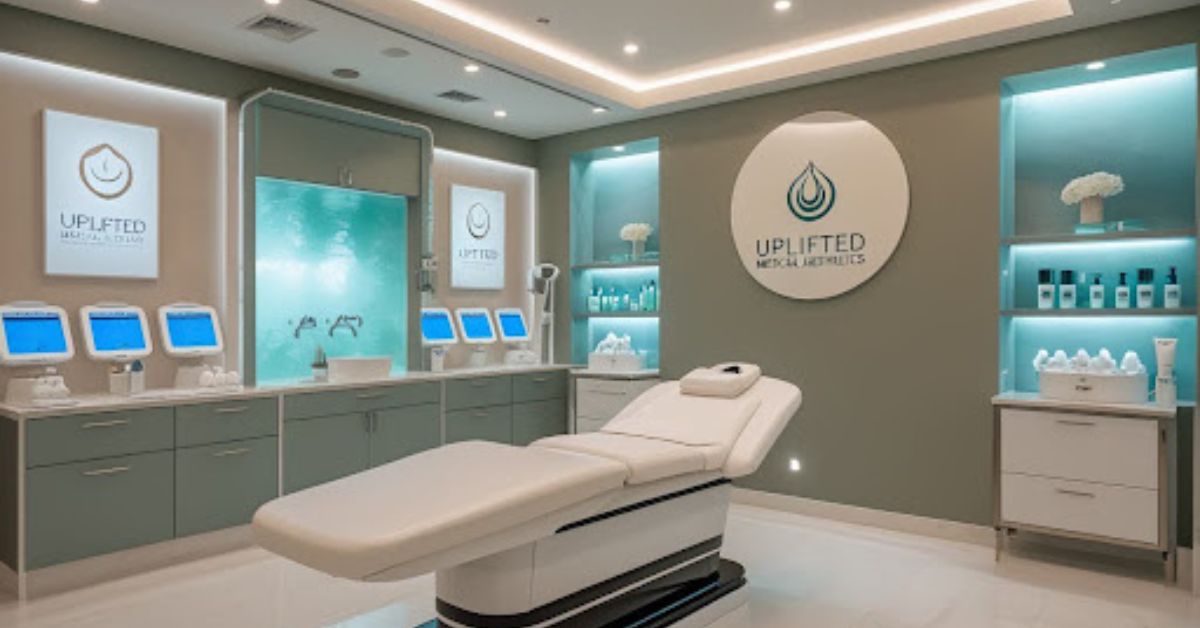
When Jennifer first looked in the mirror after her visit to Uplifted Medical Aesthetics, she smiled not because she looked like someone else, but because she looked like the best version of herself. There were no dramatic changes. No signs of overdone enhancements. Just a fresher, smoother, more radiant version of the woman she had always been.
That’s the magic behind natural-looking results. And it’s what makes Uplifted Medical Aesthetics, a trusted med spa in Redondo Beach, a place people return to again and again.
The Art of Looking Refreshed, Not Fake
In the world of aesthetics, there’s a fine line between enhancement and alteration. At Uplifted Medical Aesthetics, the goal is never to change who you are, it’s to restore what time may have softened or taken away. From Botox to lip filler, treatments are done with precision and care to ensure results that look smooth, balanced, and entirely natural.
Every client receives a personalized consultation where their features, skin condition, and goals are evaluated. This allows the experts to tailor services like dermal filler or PDO Threads in Redondo Beach to create subtle improvements that refresh the face without altering its character.
Why Natural Results Matter More Than Ever
Today’s clients want to enhance their appearance without looking “done.” That’s where Uplifted Medical Aesthetics excels. With a commitment to using only the most advanced injectables and skincare solutions, the team delivers soft, beautiful results that never feel artificial.
This emphasis on natural beauty has made Uplifted one of the best med spas in Redondo Beach, trusted by clients of all ages and backgrounds.
A Closer Look at Popular Services
Let’s explore some of the top treatments that help clients achieve that naturally refreshed look.
Botox for Smooth, Soft Expression
Botox remains one of the most effective ways to smooth fine lines, especially around the eyes and forehead. When done correctly, it doesn’t freeze your face, it relaxes muscles just enough to soften expressions while preserving movement. At Uplifted Medical Aesthetics, careful dosing ensures Botox results that enhance without overpowering.
Lip Filler That Looks Like You Were Born With It
One of the top concerns about lip filler is looking overfilled. The specialists at Uplifted understand this. Using small, strategic amounts of dermal filler, they enhance lip shape and fullness in a way that looks effortless and natural. Whether you want a soft boost or subtle symmetry, the focus is always on preserving your unique look.
Dermal Filler to Restore Youthful Volume
As we age, facial volume naturally decreases. This can cause hollows, sagging, and a tired appearance. With expertly placed dermal filler, areas like the cheeks, jawline, and under-eye zones can be gently lifted and restored. The results are smooth and youthful, never puffy or overdone.
PDO Threads for Subtle Lift and Tightening
One of the most advanced treatments offered is PDO Threads in Redondo Beach. These threads are gently placed under the skin to lift and support sagging areas like the jawline or cheeks. The threads dissolve over time but leave behind collagen that keeps the skin firmer and more defined.
Skin Rejuvenation for a Lasting Glow
Beauty isn’t just about structure, it’s about skin quality too. Uplifted Medical Aesthetics offers powerful treatments to improve texture, tone, and clarity, giving clients skin that glows naturally from within.
Microneedling to Trigger Collagen Renewal
Microneedling is a favorite for good reason. This simple treatment creates micro-injuries in the skin that stimulate natural collagen production. The result? Smoother, brighter skin with reduced pores, fine lines, and acne scars. When combined with advanced serums, microneedling delivers long-lasting improvements in skin health.
Sculptra for Natural Volume and Glow
Unlike traditional fillers, Sculptra works by gradually encouraging your body to produce collagen. The results come slowly but that’s part of what makes it so natural-looking. Over weeks and months, the skin becomes firmer and fuller with no sudden or dramatic changes.
Skincare That Supports Long-Term Results
At Uplifted Medical Aesthetics, professional skincare isn’t an afterthought. It’s a core part of every treatment plan. The team helps clients select medical-grade skincare that complements their treatments and protects their results at home.
Why Clients Trust Uplifted Medical Aesthetics
With a calm and private setting located at 830 Torrance Blvd, Redondo Beach CA 90277, this med spa blends luxury with clinical expertise. From the moment you walk in, you’re treated with warmth and respect. The team is led by trained professionals who listen closely and educate clearly.
Clients trust Uplifted not just for the services, but for the personalized care they receive. It’s this commitment to excellence that makes it a leading med spa in Redondo Beach.
For questions or appointments, you can reach the team at +1 310-504-0830. Whether you’re new to injectables or a seasoned skincare client, the staff is always ready to guide your journey.
A Community Built on Confidence
Uplifted Medical Aesthetics continues to grow because of its loyal community. Locals often share their results on platforms like Instagram and Facebook, highlighting the natural, refreshed looks they’ve achieved. Word-of-mouth, glowing reviews, and repeat visits speak volumes about the spa’s reputation as the best med spa in Redondo Beach.
Experience the Difference for Yourself
Looking refreshed, confident, and completely like yourself is possible with the right team by your side. At Uplifted Medical Aesthetics, every treatment is done with care, expertise, and a focus on natural beauty.
If you’re ready to explore options like Botox, PDO Threads in Redondo Beach, microneedling, or customized skincare plans, call +1 310-504-0830 or visit the spa in Redondo Beach.
Are you ready to discover what natural beauty feels like?
-

 TECHNOLOGY2 years ago
Elevating Game Day Eats: A Guide to Crafting Crowd-Pleasing Sliders
-

 ENTERTAINMENT2 years ago
wave_of_happy_: Your Ultimate Guide
-

 FASHION2 years ago
GPMsign Fashion: Redefining Style with Purpose
-

 TECHNOLOGY2 years ago
Trader Joe’s Dayforce: Revolutionizing Workforce Management
-

 FOOD2 years ago
Altador Cup Food Court Background: A Culinary Extravaganza Unveiled
-

 HOME IMPROVEMENT1 year ago
What Kitchen Renovation Companies Offer Beyond Basic Remodeling
-

 SPORTS2 years ago
Score Chaser Sporting Clays: A Thrilling Pursuit of Precision
-

 NEWS2 years ago
Nyl2 Kemono: Unveiling the World