
EDUCATION
Rowdy Oxford Integris: A Deep Look Into Its Meaning, Influence, and Modern Relevance


is a phrase that has begun to surface in online searches, digital discussions, and creative spaces where originality and layered meaning matter. While the term may appear unusual at first glance, represents a fusion of identity, structure, and expressive energy. As digital culture continues to evolve, understanding how such terms gain relevance offers insight into branding, communication, and human creativity in the modern era.
Understanding the Concept of Rowdy Oxford Integris
can be interpreted as a conceptual identity rather than a fixed definition. The word “rowdy” suggests boldness and high energy, while “oxford” often conveys tradition, structure, or intellectual depth. Integris implies integrity, completeness, or cohesion. When combined, becomes a balanced expression of disciplined creativity and expressive individuality.
This balance is precisely why resonates with modern audiences. It reflects the desire to challenge norms without abandoning structure, making it relevant in both professional and creative contexts.
The Origins and Evolution of Rowdy Oxford Integris
The origin of is rooted more in digital evolution than historical reference. Terms like this often emerge through branding experiments, conceptual projects, or creative naming strategies. Over time, usage gives them weight and context.
As online platforms reward originality, has evolved from a distinctive phrase into a searchable identity. Its evolution demonstrates how language adapts when people seek names that feel both expressive and grounded.
Rowdy Oxford Integris in Digital and Creative Spaces
In digital environments, rowdy oxford integris functions as a flexible identity. It can be applied to a brand, a creative project, or even a conceptual framework. Because it is not tied to a single industry, it adapts easily to different interpretations.
Within creative communities, is often associated with bold thinking paired with thoughtful execution. This combination appeals to audiences who value originality without chaos.
The table below illustrates how fits into various digital spaces:
| Digital Area | Role of Rowdy Oxford Integris | Impact |
|---|---|---|
| Branding | Distinctive identity | Strong memorability |
| Creative Projects | Conceptual foundation | Encourages originality |
| Digital Media | Unique positioning | Higher engagement |
This adaptability makes especially useful in competitive digital environments.
Why Rowdy Oxford Integris Appeals to Modern Audiences
Modern audiences are drawn to authenticity and layered meaning. delivers both by blending contrast into a single identity. The phrase feels dynamic yet thoughtful, which mirrors how many individuals and brands want to be perceived today.
Another reason for its appeal is neutrality. is not culturally restrictive, allowing it to resonate with a global audience. This universality increases its value in online communication and branding strategies.
Branding Potential of Rowdy Oxford Integris
From a branding perspective, rowdy oxford integris offers strong positioning advantages. It is unique, searchable, and adaptable. Brands that use distinctive phrases like this gain greater control over their narrative and digital footprint.
The following table highlights branding benefits linked to :
| Branding Element | Advantage | Outcome |
|---|---|---|
| Originality | No market saturation | Easier ranking |
| Tone Balance | Bold yet refined | Wider appeal |
| Flexibility | Multi-industry use | Long-term relevance |
These elements explain why can function as a sustainable brand identity rather than a short-term trend.
Rowdy Oxford Integris as a Conceptual Framework
Beyond branding, can be applied as a mindset or framework. It represents the idea of embracing creative energy while maintaining ethical structure and clarity. This makes it useful in leadership, education, and collaborative environments.
For teams and individuals, adopting a approach encourages innovation without sacrificing responsibility. This balance is increasingly valuable in fast-moving digital industries.
Psychological and Emotional Impact of Rowdy Oxford Integris
Psychologically, benefits from contrast. Humans naturally respond to ideas that combine opposites because they feel more complete. The phrase creates curiosity, prompting deeper engagement and exploration.
Emotionally, can evoke confidence and individuality. It suggests permission to be expressive while remaining grounded, which aligns with modern values of self-expression and integrity.
Rowdy Oxford Integris in Online Search Behavior
Search behavior reflects curiosity and intent. When users search fors, they are often seeking understanding, context, or identity. This makes the term valuable from an SEO perspective, as it attracts users interested in depth rather than surface-level information.
Because competition around unique terms is typically lower, also presents opportunities for organic visibility when paired with high-quality content.
Challenges Associated With Rowdy Oxford Integris
Despite its strengths, requires clear communication. Because the term is abstract, users must define its meaning within their specific context. Without clarity, audiences may misinterpret or overlook its value.
Consistency is also important. Once is positioned with a specific tone or purpose, maintaining that identity across platforms strengthens trust and recognition.
The Future Outlook of Rowdy Oxford Integris
The future of is closely tied to digital creativity and branding evolution. As more individuals and organizations seek names that reflect complexity and authenticity, phrases likeare likely to gain traction.
Its flexibility ensures that it can evolve alongside cultural and technological changes. Whether used in media, education, or digital branding,has the potential to remain relevant over time.
Final Thoughts on Rowdy Oxford Integris
Rowdy oxford integris stands as a powerful example of how modern language blends contrast, meaning, and creativity. It represents bold expression anchored by integrity, making it valuable in both personal and professional contexts.
As digital spaces continue to reward originality and depths offers a framework for identity that feels human, adaptable, and future-focused. Understanding and applying this concept opens the door to more intentional and engaging communication.


ISO 27001 certification demands comprehensive documentation that proves your organization’s commitment to information security. Without proper documentation, achieving certification becomes impossible, regardless of how robust your security measures are in practice. This requirement extends far beyond simple paperwork—it forms the backbone of your entire Information Security Management System (ISMS).
Essential documentation framework
The standard requires specific documents that auditors will scrutinize during certification assessments. Your ISMS must include documented policies, procedures, and records that demonstrate compliance with all 114 controls across 14 domains. This comprehensive approach ensures every aspect of your security program receives proper attention and verification.
Building on this foundation, policy documentation serves as the cornerstone of your certification efforts. You need an overarching information security policy approved by top management, plus supporting policies for access control, incident management, business continuity, and risk management. These policies must reflect your organization’s actual practices rather than generic templates copied from external sources.
Furthermore, risk assessment documentation proves you’ve identified threats, vulnerabilities, and impacts systematically. This includes detailed asset inventories, comprehensive threat catalogs, thorough vulnerability assessments, and strategic risk treatment plans. Auditors expect to see evidence of regular risk reviews and updates that demonstrate ongoing vigilance and adaptation to changing circumstances.
Demonstrating control implementation
Moving from policy to practice, each applicable control requires documented procedures and implementation evidence. Access control procedures must detail user provisioning processes, privilege management protocols, and access review mechanisms. Similarly, incident response procedures need clear escalation paths, defined communication protocols, and structured recovery steps that teams can follow during actual security events.
In addition to procedural documentation, training records demonstrate employee awareness and competency levels across your organization. These include security awareness sessions, role-specific training programs, and competency assessments that validate understanding. Documentation should clearly show who received training, when sessions occurred, and how effectiveness was measured and verified.
Understanding who needs iso 27001 certification helps organizations determine the scope and depth of documentation required for their specific industry and risk profile.
Structuring your documentation system
To manage this extensive documentation effectively, structure your documents hierarchically for maximum clarity and accessibility. Level 1 contains your main ISMS policy that sets organizational direction. Level 2 includes supporting policies and procedures that operationalize your security framework. Level 3 covers detailed work instructions and practical guidelines for daily operations. Level 4 contains records and evidence that prove implementation and effectiveness.
Consequently, version control prevents confusion during audits and maintains document integrity over time. Implement a systematic approach for document approval, review, and updates that ensures accuracy and currency. Each document needs clear ownership assignments, established review schedules, and robust change control processes that track modifications and their rationale.
Leveraging digital solutions
Modern organizations can significantly benefit from centralized document management systems that streamline compliance efforts. These platforms provide automated version control, granular access controls, and comprehensive audit trails that satisfy regulatory requirements while reducing administrative burden.
Moreover, automated evidence collection strengthens your documentation approach by reducing manual effort and human error. Security tools can generate reports, logs, and metrics that support your compliance claims with real-time data. This technological approach provides continuous visibility into control effectiveness while building a robust evidence base for certification.
Organizations implementing frameworks like trust service criteria soc 2 often find complementary documentation approaches that can enhance their ISO 27001 preparation.
Avoiding critical documentation mistakes
Despite best intentions, generic documentation consistently fails audit scrutiny. Avoid copying templates without substantial customization to reflect your organization’s unique environment and practices. Your documentation must demonstrate actual organizational behaviors rather than theoretical frameworks that exist only on paper.
Similarly, inconsistent documentation creates significant audit risks that can derail certification efforts. Ensure your policies, procedures, and records align with each other and present a coherent picture of your security program. Contradictory statements between documents raise serious questions about implementation effectiveness and organizational commitment.
Preparing for successful audits
As certification approaches, organize documentation logically before audits begin to demonstrate professionalism and preparedness. Create clear cross-references between related documents that help auditors understand relationships and dependencies. Prepare comprehensive evidence packages that demonstrate control implementation over extended periods rather than isolated point-in-time snapshots.
To support this preparation, regular internal reviews identify gaps before external audits and prevent last-minute discoveries. Schedule quarterly documentation reviews focusing on completeness, accuracy, and alignment with evolving business requirements. This proactive approach prevents scrambling during the certification process while building organizational confidence in your documentation quality.
Maintaining long-term effectiveness
Documentation excellence requires ongoing attention and systematic maintenance to remain valuable and current. Business changes, technology updates, and lessons learned from security incidents should trigger appropriate document reviews and updates. Establish clear triggers for modifications and assign specific responsibility for maintenance activities to ensure continuity.
Finally, performance metrics help optimize documentation processes and demonstrate continuous improvement. Track document review cycles, update frequency patterns, and audit finding trends to identify optimization opportunities. This data-driven approach helps allocate resources effectively while ensuring your documentation system evolves with organizational needs.
Effective ISO 27001 documentation balances thoroughness with practicality, focusing on documents that add genuine value to your security program while meeting certification requirements. Well-maintained documentation becomes a valuable business asset that supports strategic decision-making and demonstrates security maturity to stakeholders, clients, and regulatory bodies.
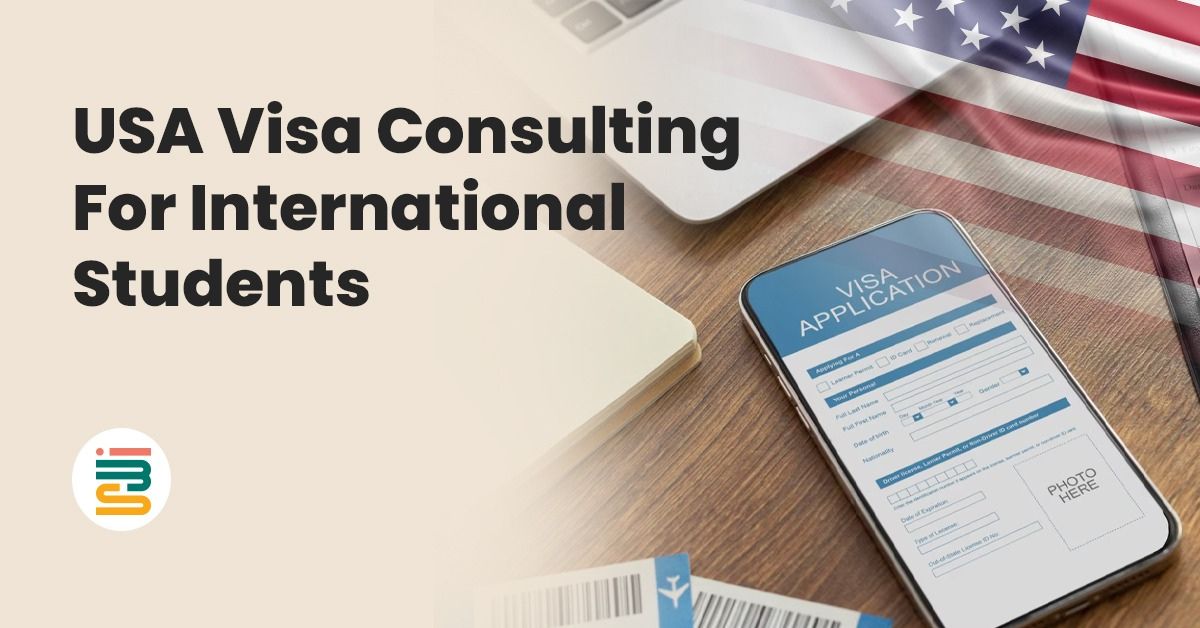
Studying in the USA is a dream for many international students due to its world-class education system, diverse culture, and numerous career opportunities. However, applying to American universities can be a complex and competitive process. From my experience working with students and study abroad consultants, I’ve gathered some valuable tips that can help you navigate the application journey smoothly and increase your chances of acceptance. In this blog, I’ll share application tips from a consultant’s perspective to guide you step-by-step.
1. Start Early and Plan Ahead
One of the most common mistakes students make is starting their application process too late. The US university application process involves multiple steps—including researching universities, preparing documents, taking standardized tests, and applying for visas—that can take months to complete. Starting early gives you ample time to gather all necessary materials, improve your test scores if needed, and avoid last-minute stress.
Study abroad consultants often emphasize the importance of early preparation because it allows students to carefully select universities that best fit their academic and personal goals rather than rushing into decisions.
2. Research Universities and Programs Thoroughly
The USA has thousands of universities offering a wide range of programs. It’s crucial to research and shortlist universities that align with your academic interests, career goals, budget, and lifestyle preferences. Don’t just focus on rankings; consider factors like faculty expertise, internship opportunities, campus culture, and location.
Consultants help students create a balanced list of universities, including “target,” “safety,” and “dream” schools. This strategy maximizes your chances of acceptance and scholarship opportunities. Applying to multiple universities also gives you options to compare offers and choose the best fit.
3. Understand and Meet Admission Requirements
Each university and program may have different admission criteria. Common requirements include academic transcripts, standardized test scores (SAT, ACT for undergraduates; GRE, GMAT for graduates), English proficiency tests (TOEFL, IELTS, or Duolingo), letters of recommendation, and a personal statement or essay.
Make sure you understand the specific requirements of each university on your list. Missing or incomplete documents can lead to delays or rejection. Study abroad consultants can guide you on how to prepare and present these documents effectively to meet university expectations.
4. Prepare a Strong Personal Statement
Your personal statement or Statement of Purpose (SOP) is your chance to tell the admissions committee who you are beyond your grades. Many students underestimate its importance or submit generic essays that don’t reflect their unique qualities or motivations.
A strong personal statement should clearly explain why you want to study your chosen program, how it fits your career goals, and why you selected that particular university. Mention any relevant experiences, achievements, or challenges that shaped your academic journey. Consultants often help students draft, review, and polish their essays to make them compelling and authentic.
5. Take Standardized Tests Seriously
Standardized tests like the SAT, ACT, GRE, or GMAT are important components of your application. Preparing well for these tests can significantly improve your chances of admission and scholarships. Also, English language proficiency tests such as TOEFL or IELTS are mandatory for most international students.
Register for these tests early and give yourself enough time to retake them if needed. Many universities also accept Duolingo English Test scores, which can be taken online and offer flexibility. Knowing the test requirements for each university helps you avoid surprises later in the process.
6. Pay Attention to Application Deadlines
US universities have different application deadlines, including early decision, early action, regular decision, and rolling admissions. Missing deadlines can mean waiting an entire year to apply again.
Create a detailed calendar with all deadlines for applications, financial aid, scholarships, and visa submissions. Starting early and staying organized is key to submitting complete and timely applications.
7. Secure Strong Letters of Recommendation
Letters of recommendation provide insight into your academic abilities, character, and potential from the perspective of teachers, counselors, or employers. Choose recommenders who know you well and can speak positively about your strengths and achievements.
Provide your recommenders with enough time and information about your goals so they can write detailed and personalized letters. Consultants often advise students on how to select recommenders and how to request letters professionally.
8. Prepare for the Visa Process
Getting a student visa for the USA (usually an F-1 visa) is a critical step after admission. The visa process requires careful preparation of documents such as your I-20 form (issued by the university), financial proof, passport, and visa application forms.
Study abroad consultants can assist you with visa application procedures, help you prepare for visa interviews, and keep you updated on any policy changes. Starting the visa process early reduces the risk of delays that could affect your travel plans.
9. Plan Your Finances Wisely
Studying in the USA can be expensive, so it’s important to plan your finances carefully. Besides tuition fees, consider living expenses, health insurance, travel costs, and personal spending.
Look for scholarships, assistantships, and financial aid options offered by universities. Study abroad consultants often help students identify scholarships they might qualify for and guide them through the application process.
10. Take Advantage of Pre-Departure Support
Before you leave for the USA, make sure you have all your documents organized, including your passport, visa, university admission letter, accommodation details, and health insurance.
Many consultants provide pre-departure briefings covering topics like travel arrangements, accommodation, banking, and cultural adjustment. This support helps reduce anxiety and ensures you are well-prepared for your new life abroad.
Final Thoughts
Applying to universities in the USA can be challenging, but with the right approach and support, you can make the process manageable and successful. Study abroad consultants play a vital role in helping students understand requirements, prepare strong applications, and navigate the complexities of admissions and visas. Their expertise can save you time, reduce stress, and increase your chances of acceptance.
By starting early, researching thoroughly, preparing carefully, and seeking expert advice when needed, you can turn your dream of studying in the USA into reality. Remember, every step you take now is an investment in your future.

Studying in the USA is a dream for many international students due to its world-class education system, diverse culture, and numerous career opportunities. However, applying to American universities can be a complex and competitive process. From my experience working with students and study abroad consultants, I’ve gathered some valuable tips that can help you navigate the application journey smoothly and increase your chances of acceptance. In this blog, I’ll share application tips from a consultant’s perspective to guide you step-by-step.
1. Start Early and Plan Ahead
One of the most common mistakes students make is starting their application process too late. The US university application process involves multiple steps—including researching universities, preparing documents, taking standardized tests, and applying for visas—that can take months to complete. Starting early gives you ample time to gather all necessary materials, improve your test scores if needed, and avoid last-minute stress.
Study abroad consultants often emphasize the importance of early preparation because it allows students to carefully select universities that best fit their academic and personal goals rather than rushing into decisions.
2. Research Universities and Programs Thoroughly
The USA has thousands of universities offering a wide range of programs. It’s crucial to research and shortlist universities that align with your academic interests, career goals, budget, and lifestyle preferences. Don’t just focus on rankings; consider factors like faculty expertise, internship opportunities, campus culture, and location.
Consultants help students create a balanced list of universities, including “target,” “safety,” and “dream” schools. This strategy maximizes your chances of acceptance and scholarship opportunities. Applying to multiple universities also gives you options to compare offers and choose the best fit.
3. Understand and Meet Admission Requirements
Each university and program may have different admission criteria. Common requirements include academic transcripts, standardized test scores (SAT, ACT for undergraduates; GRE, GMAT for graduates), English proficiency tests (TOEFL, IELTS, or Duolingo), letters of recommendation, and a personal statement or essay.
Make sure you understand the specific requirements of each university on your list. Missing or incomplete documents can lead to delays or rejection. Study abroad consultants can guide you on how to prepare and present these documents effectively to meet university expectations.
4. Prepare a Strong Personal Statement
Your personal statement or Statement of Purpose (SOP) is your chance to tell the admissions committee who you are beyond your grades. Many students underestimate its importance or submit generic essays that don’t reflect their unique qualities or motivations.
A strong personal statement should clearly explain why you want to study your chosen program, how it fits your career goals, and why you selected that particular university. Mention any relevant experiences, achievements, or challenges that shaped your academic journey. Consultants often help students draft, review, and polish their essays to make them compelling and authentic.
5. Take Standardized Tests Seriously
Standardized tests like the SAT, ACT, GRE, or GMAT are important components of your application. Preparing well for these tests can significantly improve your chances of admission and scholarships. Also, English language proficiency tests such as TOEFL or IELTS are mandatory for most international students.
Register for these tests early and give yourself enough time to retake them if needed. Many universities also accept Duolingo English Test scores, which can be taken online and offer flexibility. Knowing the test requirements for each university helps you avoid surprises later in the process.
6. Pay Attention to Application Deadlines
US universities have different application deadlines, including early decision, early action, regular decision, and rolling admissions. Missing deadlines can mean waiting an entire year to apply again.
Create a detailed calendar with all deadlines for applications, financial aid, scholarships, and visa submissions. Starting early and staying organized is key to submitting complete and timely applications.
7. Secure Strong Letters of Recommendation
Letters of recommendation provide insight into your academic abilities, character, and potential from the perspective of teachers, counselors, or employers. Choose recommenders who know you well and can speak positively about your strengths and achievements.
Provide your recommenders with enough time and information about your goals so they can write detailed and personalized letters. Consultants often advise students on how to select recommenders and how to request letters professionally.
8. Prepare for the Visa Process
Getting a student visa for the USA (usually an F-1 visa) is a critical step after admission. The visa process requires careful preparation of documents such as your I-20 form (issued by the university), financial proof, passport, and visa application forms.
Study abroad consultants can assist you with visa application procedures, help you prepare for visa interviews, and keep you updated on any policy changes. Starting the visa process early reduces the risk of delays that could affect your travel plans.
9. Plan Your Finances Wisely
Studying in the USA can be expensive, so it’s important to plan your finances carefully. Besides tuition fees, consider living expenses, health insurance, travel costs, and personal spending.
Look for scholarships, assistantships, and financial aid options offered by universities. Study abroad consultants often help students identify scholarships they might qualify for and guide them through the application process.
10. Take Advantage of Pre-Departure Support
Before you leave for the USA, make sure you have all your documents organized, including your passport, visa, university admission letter, accommodation details, and health insurance.
Many consultants provide pre-departure briefings covering topics like travel arrangements, accommodation, banking, and cultural adjustment. This support helps reduce anxiety and ensures you are well-prepared for your new life abroad.
Final Thoughts
Applying to universities in the USA can be challenging, but with the right approach and support, you can make the process manageable and successful. Study abroad consultants play a vital role in helping students understand requirements, prepare strong applications, and navigate the complexities of admissions and visas. Their expertise can save you time, reduce stress, and increase your chances of acceptance.
By starting early, researching thoroughly, preparing carefully, and seeking expert advice when needed, you can turn your dream of studying in the USA into reality. Remember, every step you take now is an investment in your future.
Good luck on your journey!
-

 TECHNOLOGY2 years ago
Elevating Game Day Eats: A Guide to Crafting Crowd-Pleasing Sliders
-

 ENTERTAINMENT2 years ago
wave_of_happy_: Your Ultimate Guide
-

 FASHION2 years ago
GPMsign Fashion: Redefining Style with Purpose
-

 TECHNOLOGY2 years ago
Trader Joe’s Dayforce: Revolutionizing Workforce Management
-

 FOOD2 years ago
Altador Cup Food Court Background: A Culinary Extravaganza Unveiled
-

 HOME IMPROVEMENT1 year ago
What Kitchen Renovation Companies Offer Beyond Basic Remodeling
-

 SPORTS2 years ago
Score Chaser Sporting Clays: A Thrilling Pursuit of Precision
-
 NEWS2 years ago
Nyl2 Kemono: Unveiling the World