
LIFESTYLE
The Impact of Office Desks on Workplace Morale


Office desks are more than just functional pieces of office furniture. They serve as the cornerstone of an employee’s workspace and can significantly influence their overall morale and productivity. The design, comfort, and organisation of an office desk can affect everything from focus to job satisfaction. This article explores the impact of office desks on workplace morale and how the right desk can create a positive and efficient environment.
The Role of Comfort in Employee Morale
Comfort is one of the most important factors when considering the impact of office desks on morale. Employees who spend long hours at their desks need to feel physically comfortable to maintain focus and avoid strain. Desks that are too small, too large, or poorly designed can lead to discomfort, causing distractions and lowering employee satisfaction.
An ergonomic desk that provides ample space for working materials, along with a comfortable seating arrangement, ensures that employees feel at ease throughout the day. When workers are comfortable, they are less likely to experience physical discomfort, such as back pain or eye strain, which can negatively impact their overall mood and productivity.
Encouraging Organisation with Functional Office Desks
An organised desk can contribute significantly to an employee’s mental clarity and morale. Cluttered workspaces are often associated with stress and disorganisation, making it harder for employees to focus and complete tasks efficiently. In contrast, a well-designed desk that encourages organisation helps reduce mental clutter and promotes a sense of control.
Office furniture, such as desks with built-in drawers, compartments, and cable management systems, makes it easier for employees to keep their workspaces tidy. This simple step can help employees feel more organised and less stressed, positively affecting their mood and performance.
Customisation and Personalisation of Workspaces
Allowing employees to personalise their office desks can have a powerful impact on workplace morale. Personalisation fosters a sense of ownership and connection to the workspace, making employees feel valued and appreciated. Simple touches like family photos, motivational quotes, or small plants can make a desk feel more like an extension of the employee’s personality.
This sense of individuality can boost morale by creating a more welcoming and comfortable work environment. When employees have the freedom to express themselves through their workspace, it can enhance their sense of well-being and contribute to a more positive office culture.
The Impact of Desk Design on Collaboration
The design of office desks can also impact the way employees collaborate. In open-plan offices, for example, desks that are arranged in clusters or groups can encourage teamwork and communication. Collaborative desks that are designed for group discussions or joint projects can enhance the overall work environment and promote a sense of camaraderie among employees.
On the other hand, desks that isolate employees or are too rigid in their layout can create barriers to collaboration, leading to feelings of isolation and reduced morale. By carefully considering the desk layout, employers can foster a sense of teamwork and ensure that employees feel supported and connected in their work.
Ergonomics and Health-Related Morale Boosts
The importance of ergonomic office furniture cannot be overstated when it comes to improving employee health and morale. Poorly designed desks can lead to musculoskeletal problems, repetitive strain injuries, and general discomfort, all of which contribute to reduced morale. Employees who are constantly battling physical discomfort are more likely to feel fatigued, stressed, and disengaged.
On the other hand, ergonomic office desks that promote healthy posture and reduce physical strain can have a positive impact on employee morale. Adjustable desks, for example, allow employees to alternate between sitting and standing, reducing the risks associated with prolonged sitting. Desks that provide ample legroom and space for movement encourage better circulation and overall health, which can enhance employees’ mood and productivity.
The Aesthetic Appeal of Office Desks
The aesthetic quality of office furniture, including desks, plays a crucial role in workplace morale. A well-designed desk can elevate the overall look of the office and contribute to a positive and motivating atmosphere. Whether it’s a sleek modern desk or a more traditional, classic design, the visual appeal of the workspace can influence employees’ perceptions of their work environment.
A visually pleasing workspace can enhance employees’ sense of pride in their office and increase their job satisfaction. When employees are proud of their workspace, they are more likely to feel motivated and engaged, which can positively affect morale and performance.
Flexible Work Desks for Remote or Hybrid Teams
With the rise of remote and hybrid work, the importance of flexible office desks has become more apparent. Providing employees with desks that can adapt to their needs—whether in the office or at home—ensures that they can work comfortably in any environment. Flexible office furniture solutions, such as adjustable desks or portable workstation setups, allow employees to maintain productivity regardless of their location.
This flexibility can have a significant impact on morale, as employees appreciate the autonomy and comfort of being able to choose where and how they work. By offering adaptable desk solutions, employers show their commitment to employee well-being and work-life balance, which can boost morale and job satisfaction.
Office Desks as a Reflection of Company Culture
The design and quality of office furniture, particularly desks, often reflect a company’s values and culture. A well-designed office space with quality furniture sends a message to employees that their comfort and well-being are important. This creates a positive work environment where employees feel respected and valued, which directly contributes to higher morale.
On the other hand, poorly designed or uncomfortable office desks can signal to employees that the company does not prioritise their needs. This can lead to disengagement and a decrease in morale, as employees may feel that their contributions are undervalued. By investing in high-quality office furniture, companies can demonstrate their commitment to fostering a positive workplace culture and supporting employee well-being.
Creating a Positive and Productive Environment
Ultimately, the right office desk is an essential tool for boosting workplace morale. By investing in functional, comfortable, and aesthetically pleasing office furniture, employers can create an environment where employees feel motivated, valued, and empowered to do their best work.
Whether it’s through ergonomic features, customisation options, or collaborative desk layouts, the design of office desks plays a crucial role in shaping the overall work experience. When employees are comfortable, organised, and happy in their workspace, they are more likely to perform at their highest potential, leading to increased productivity and a positive company culture.

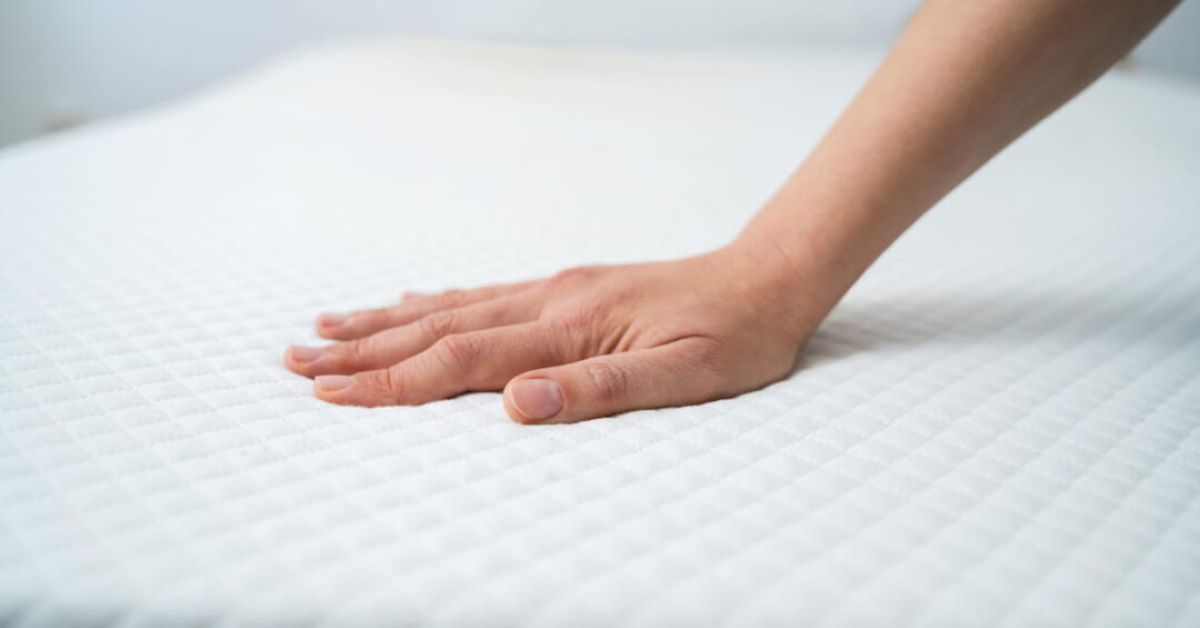
No matter how high-quality your mattress is, after a specific timeframe, it starts to wear down slowly. How long a mattress lasts mainly depends on the type and material it’s made of. For example, foam mattresses usually last around 7-10 years, while innerspring mattresses may last 5-8 years or more. However, small adjustments in your habits and environment can help you make it last longer.
Here are some effective tips to help you enhance the longevity and durability of your mattress.
Add an Extra Layer of Comfort
When a mattress starts feeling uneven or slightly uncomfortable, adding an extra layer can make a noticeable difference. A mattress topper adds cushioning and reduces pressure on the old surface underneath, distributing your weight more evenly. It also acts like a shield and protects the mattress from direct wear, stains, and moisture, which results in slowing down the aging of your mattress.
Rotate Your Mattress Regularly
Most people stay in the same position on their bed every night, which slowly affects the foam or springs under that specific spot. Rotating your mattress helps fix this imbalance by shifting your sleeping area and allowing other parts of the mattress to carry your weight. It also reduces early sagging and keeps the surface firm.
You don’t need to follow a complicated schedule. A simple rotation every three to four months is enough for most mattresses.
Keep Your Mattress Clean
Aging mattresses often lose comfort not only because of wear but also because dust, sweat, and bacteria build up inside the layers. It affects freshness and can affect your sleep quality. Cleaning your mattress from time to time helps slow this process. You can vacuum the surface to remove dust and use mild cleaning sprays to remove light stains. Always keep the mattress dry to prevent mold and unwanted smells.
Use Proper Support Underneath
Without proper support, even a new mattress can sag early. So, a solid platform or a strong box spring can help distribute your weight evenly and prevent the mattress from sinking in the middle. If your bed frame has slats, make sure they are not too far apart and are strong enough to handle your weight. It will help reduce long-term damage, especially for older mattresses that are already losing some of their structure.
Maintain Good Airflow Around Your Bed
Moisture is one of the biggest enemies of any mattress. When air cannot move freely around your bed, humidity collects inside the mattress and slowly affects its layers. Allowing good airflow is a simple but powerful way to protect an aging mattress. Try not to place the bed directly against the wall, and make sure there is space under the frame for air circulation. You can also use a fan or dehumidifier to keep your mattress dry and fresh.
Protect It From Spills and Sweat
Liquids can weaken the internal layers of a mattress and speed up its aging. Using a washable mattress cover protects your mattress from direct contact with moisture. It also keeps stains from settling into the material. The best thing is that it is much easier to wash than to clean the mattress itself.
Avoid Sitting in the Same Spot
Many people sit on the edge of the bed when tying their shoes, using their phone, or getting ready. This puts more pressure on one small area, which increases the chance of sagging. An aging mattress is already losing its natural strength, so repeated pressure in one place can break down the material faster. Therefore, it’s better to sit on different areas of the bed or use a chair for daily tasks.
Store It Properly When Not in Use
Older mattresses need extra care because they are already sensitive to pressure and moisture. Store the mattress flat instead of standing it on its side, because vertical storage can cause bending and uneven pressure. Use a breathable cover so air can pass through while still protecting it from dust. Avoid plastic wrapping because it traps moisture. Reliable stores, like Rangooli, also provide user manuals to help you understand how to clean and store a mattress.
A Final Word
By following all the aforementioned tips, you can easily add to the overall look and lifespan of your mattress. It not only helps you cut unnecessary replacement costs, but also protects you from health issues of using an old, worn-out mattress.

City life often promises new energy, but Chicago actually delivers. The people, the pace, and the possibilities reshape your days in ways you don’t expect. From the first week, you notice how neighbors interact, how strangers chat in line, and how often you’re invited somewhere. That’s what makes moving to Chicago so powerful, it doesn’t just change your location; it starts to enhance your daily life in real and exciting ways.
Big City, Bigger Conversations
At first, the city may seem too big for connection. But the opposite is true. You’ll find conversations in line at Trader Joe’s, at dog parks, and even during your morning commute. People here enjoy sharing recommendations and stories, especially with someone new to town.
Next, locals love talking about their favorite restaurants, sports teams, and neighborhoods. This opens the door to natural conversation. Without realizing it, you build relationships across grocery aisles and gym lockers.
Even introverts find their rhythm here. Chicago offers plenty of ways to meet people without forced interactions. Some of the easiest entry points include:
- Joining a casual intramural sports league
- Taking a local art or cooking class
- Becoming a regular at a neighborhood coffee shop
- Volunteering at weekend events or cleanup drives
Each setting brings small talk that often leads to lasting friendships. You don’t have to try hard, the city keeps offering chances to connect.

Alt: People talking
Caption: After moving to Chicago, you will have a lot of conversations with many people
Neighborhood Vibes That Feel Like Mini-Cities
Chicago’s layout helps with connection. Every neighborhood feels like its own little world, complete with favorite diners, local barbershops, and weekend street corners filled with music.
For example, Wicker Park gives off a creative, artsy feel. Lakeview leans toward young professionals and families. Meanwhile, Hyde Park blends historic charm with university buzz. As you settle in, you realize that moving to Chicago means more than relocating—it means choosing a new social setting that shapes your routine.
These neighborhoods don’t isolate you; they ground you. They create the foundation for friendship. They bring you face-to-face with people you’ll recognize at farmer’s markets or community yoga.
Bonding Through Shared Experiences
Chicago throws some of the most unexpected festivals you’ll ever attend. Whether it’s Taste of Chicago, the Air and Water Show, or a tiny taco fest in Pilsen, each event brings people together.
You won’t need to force interaction. Standing in line for food or dancing to live music often starts conversations. The relaxed setting makes it easy to connect without pressure.
Even when you go alone, you rarely feel lonely. People tend to talk, ask questions, or invite you to nearby events. These experiences help create a calendar full of fun, and new faces.
Career Connections Come Naturally
Chicago isn’t just social on the weekends. The workweek brings its own surprises. You’ll meet potential collaborators on public transit, in coworking spaces, or during casual coffee breaks.
Some professionals even find new roles through personal connections rather than job boards. That’s part of what makes the city feel alive. Opportunities often start with small talk, not interviews.
Unlike other major cities, Chicago professionals often chat openly at networking events or company mixers. It’s not stiff or transactional. Instead, people show genuine interest in what you do—and who you are.
You may attend an open mic and meet a recruiter. Or walk into a tech meet-up and walk out with a freelance gig. These aren’t rare events—they’re part of the rhythm here.

Alt: Person putting on a suit
Caption: Job opportunities will come naturally
The Real Impact of the City’s Real Estate Scene
Where you live in Chicago shapes who you meet and what you do. It affects your favorite hangouts, your closest friends, and even your hobbies. A studio near the lake might lead to morning bike rides and rooftop dinners. A walk-up in Pilsen could introduce you to pop-up art shows and late-night tamales.
The real estate market here encourages community. Apartment buildings often host group events. Back patios become shared gathering spots. Neighbors stop to talk because they actually see one another often. This sense of place becomes the start of real friendships.
If you’re thinking about location only in terms of cost, you’re missing half the story. Chicago neighborhoods define more than space—they influence social momentum. Pick your spot with that in mind.
Weekend Escapes Are Accessible From Chicago
Chicago sits in a spot that makes escaping the city both easy and exciting. Its central location means you can reach other major cities and even international borders without much planning. Highways like I-90, I-55, and I-94 connect you to places like Milwaukee, Indianapolis, and Detroit in just a few hours.
Need a bigger break? O’Hare and Midway airports offer quick flights to nearly anywhere. Whether you’re flying to Nashville for a weekend concert or heading to Mexico City, travel options stay wide open. Some locals even map out the best road trips from the US to Mexico, using Chicago as their starting point.
With strong connections in every direction, it’s easy to mix travel with social life. Group getaways become regular habits. New friends often plan weekend escapes together, sometimes by plane, sometimes by car. The trip itself strengthens bonds and creates lasting memories.
Food Meets Friendship Here
Every Chicagoan has a favorite food truck. Some swear by the tacos on 18th Street. Others chase down Korean barbecue near the Loop. No matter your taste, you’ll find a spot worth revisiting, and people worth chatting with while you wait.
Food trucks often park near parks, breweries, and college campuses. That means people eat outside, sit together, and talk. The setup encourages interaction. If you go often, you start to recognize familiar faces and join spontaneous conversations.
Don’t underestimate these moments. A shared bench and good food lead to strong social habits. And if you’re still looking, go online to find the best food trucks near you and plan your next meal with company in mind.

Alt: Food truck
Caption: Food is a big thing on the social scene in Chicago
Why Moving to Chicago Transforms More Than Your Zip Code
Moving to Chicago brings new friendships, work connections, and neighborhood pride. The change starts fast but builds over time. This city opens its doors if you say yes. Show up. Say hi. Be curious. Your social life won’t just improve—it will evolve in ways you never expected.
KW: moving to Chicago
Meta description: Discover how moving to Chicago can enrich your social world, from food trucks to festivals, making every day feel like a fresh adventure.

Alt tag: A smiling couple stands outside their new home, showing how to stay social after moving to a new neighborhood.
Moving to a new neighborhood can feel exciting and overwhelming at the same time. Connecting with others helps ease the transition and creates a sense of belonging. Staying social after moving to a new neighborhood takes effort, but building friendships and social routines plays a big role in feeling comfortable and happy. This process improves mental health, reduces loneliness, and opens doors to new experiences. So, taking small, intentional steps helps make the new place feel like home faster and makes meeting people more natural and enjoyable.
Understand the Benefits of Social Connection
Strong social ties improve mental and physical health; regular interactions reduce stress and boost mood. Therefore, when inviting neighbors, focus on making your guests feel comfortable. Simple gestures like offering refreshments or a warm greeting encourage conversation. Also, feeling at ease helps build trust and lasting friendships. Social connections also promote a sense of safety and belonging in new surroundings. These benefits show why investing time in relationships brings real value. Engaging with others often leads to more opportunities and support in daily life. And reaching out creates a foundation for a happier, healthier lifestyle.

Exploring the neighborhood on foot can lead to spontaneous connections and help build a strong local social life.
Alt ag: A man walks confidently down a city sidewalk.
Attend Local Events to Meet New People
Local events offer great chances to meet others nearby. For instance, you can check bulletin boards, social media, or local websites for upcoming gatherings. Farmers’ markets, festivals, and workshops bring people together naturally. Joining these events encourages conversation and helps build connections without pressure. Showing up regularly increases familiarity with others in the area. Even short visits can lead to new friendships over time. Taking part in local happenings also provides insight into neighborhood culture and interests. This approach makes meeting new people feel easier and more enjoyable.
Join Groups and Volunteer to Build New Connections
Joining clubs or hobby groups helps meet people who share similar interests. These activities create natural opportunities to connect, whether it is through sports, books, or crafts. Volunteering also offers a meaningful way to get involved and meet others. Helping out at schools or shelters fosters strong bonds.
Moving, especially long-distance, can make social life feel challenging at first. Therefore, it’s important to also keep old friendships while building new ones. Regular calls or visits with longtime friends provide emotional support during transitions. Balancing past and present connections eases feelings of loneliness. Group activities offer fresh chances to form new relationships and feel more settled quickly. Taking these steps encourages both personal growth and a fuller social circle.
Use Technology to Find Local Connections
Apps and online groups can also help you stay social after moving to a new neighborhood. They can help discover nearby events and meet people with similar interests. Platforms like Nextdoor or Facebook groups often share updates about neighborhood activities. Joining these networks encourages quick introductions and conversations.
However, online interactions should be approached carefully and respectfully to build trust. Using technology bridges gaps, especially when new to an area. Virtual connections often lead to in-person meetings over time. Staying active in local online spaces makes finding friends easier. Combining online tools with face-to-face efforts creates a balanced way to expand social circles. This approach helps remain connected and engaged in new surroundings.

Simple gestures like a visit with flowers help create warm connections and build lasting neighborly friendships.
Alt tag: A couple greets a neighbor at the door with sunflowers.
Introduce Yourself and Build Neighborly Bonds
Starting conversations with neighbors opens many doors. A simple hello or smile creates a friendly atmosphere. Small gestures like offering baked treats or helping with chores encourage goodwill. Remember to keep your living room guest-ready to welcome visitors comfortably. Showing openness invites neighbors to connect more easily. These actions build trust and familiarity over time. Regularly checking in helps deepen relationships without pressure. Friendly interactions also promote a safer and more supportive environment. Taking these steps consistently makes settling in smoother. Being approachable often leads to lasting friendships and stronger ties within the new neighborhood.
Use Local Spaces, Classes, and Gatherings to Connect and to Stay Social After Moving to a New Neighborhood
Building a social life happens through active participation. Consider these ways to meet others and feel more at home:
- Visit parks, libraries, or coffee shops often to become a familiar face and start casual chats.
- Enroll in local classes or workshops like cooking, fitness, or crafts to meet people with similar interests.
- Organize or join social gatherings such as potlucks, block parties, or neighborhood meetings to create bonds.
Regular attendance at these places boosts chances for meaningful conversations. Shared activities provide natural reasons to connect and keep relationships growing. Taking initiative in social events helps form a supportive network. These approaches make settling into a new area smoother and more enjoyable. Each step builds a stronger social circle over time.
Balance Old and New Relationships for Support
Keeping old friendships offers stability during major life changes. Regularly reaching out helps maintain strong bonds despite distance. At the same time, investing in new relationships builds a fresh support network. Simple shared activities like cooking together create chances to connect. Learning how to make healthier and tastier burgers at home can turn into fun gatherings. Balancing past and present connections provides emotional strength. Both sets of relationships contribute to overall well-being. This approach eases loneliness and builds a reliable social circle. After moving, staying connected across old and new friendships creates a more fulfilling social life.

Hosting small gatherings builds strong bonds and helps create lasting friendships in a new place.
Alt. Tag: A group of friends laughing together indoors.
Make Social Connections Work for You
Knowing how to stay social after moving to a new neighborhood requires patience and the willingness to reach out. It’s normal to face awkward moments or slow starts, but consistent effort leads to meaningful relationships. Choosing activities that match personal interests creates more enjoyable social interactions. Balancing old friendships with new ones keeps emotional support strong. Eventually, those social ties bring a sense of stability and enjoyment. Taking control of social life helps turn a new neighborhood from unfamiliar to friendly, making everyday life more fulfilling and connected.
-

 TECHNOLOGY2 years ago
Elevating Game Day Eats: A Guide to Crafting Crowd-Pleasing Sliders
-

 ENTERTAINMENT2 years ago
wave_of_happy_: Your Ultimate Guide
-

 FASHION2 years ago
GPMsign Fashion: Redefining Style with Purpose
-

 TECHNOLOGY1 year ago
Trader Joe’s Dayforce: Revolutionizing Workforce Management
-

 FOOD2 years ago
Altador Cup Food Court Background: A Culinary Extravaganza Unveiled
-
 HOME IMPROVEMENT1 year ago
What Kitchen Renovation Companies Offer Beyond Basic Remodeling
-

 SPORTS2 years ago
Score Chaser Sporting Clays: A Thrilling Pursuit of Precision
-

 NEWS2 years ago
Nyl2 Kemono: Unveiling the World