
BLOG
Where Art and Freedom Unite


Art and freedom have always shared a deeply intertwined relationship. From the beginning of time, art has served as a means of expression, pushing boundaries, questioning norms, and conveying individual perspectives. Freedom soul is free on the other hand, has always been a cornerstone of human existence, representing the ability to act, speak, and live without restrictions. Together, art and freedom create a powerful synergy that inspires creativity, empowers individuals, and brings forth a sense of liberation. This article explores the concept of where art and freedom unite, discussing how this fusion shapes personal expression, societal progress, and cultural movements.
The Power of Artistic Expression
Art is a form of expression—a way to communicate complex ideas, emotions, and experiences in ways that transcend language. Throughout history, artists have used their work as a means to explore their personal identity, challenge societal norms, and question political and cultural structures. Whether through painting, sculpture, music, or literature, art allows individuals to express their innermost thoughts and beliefs, often offering a mirror to society. When art is created freely, without the constraints of censorship or fear of retribution, it becomes a powerful tool for self-expression and societal reflection.
Freedom in the context of art refers to the ability to create without limitations or restrictions. It involves the liberty to explore different media, experiment with ideas, and address topics that may be controversial or sensitive. This freedom is essential for art to thrive, as it enables artistic t shirts to push boundaries, innovate, and create work that challenges the status quo. In this sense, the unity of art and freedom empowers artists to express their unique voices and perspectives, contributing to the richness and diversity of the cultural landscape.
Artistic Freedom as a Catalyst for Change
Throughout history, art has played a significant role in movements for social and political change. From the civil rights movements in the United States to the fight for gender equality, artists have used their craft to draw attention to injustices and inspire action. Art has the ability to spark conversations, raise awareness, and mobilize communities, all while allowing individuals to express their dissatisfaction with the status quo. When artists are free to express themselves without fear of censorship or oppression, their work becomes a catalyst for societal transformation.
The fusion of art and freedom has been particularly influential in times of political unrest. During periods of repression, artists often take to the streets, galleries, and stages to create work that challenges authority and demands change. This form of activism is not always loud or overt; sometimes, it is subtle and symbolic, using art to ignite conversations that lead to greater awareness and progress. Whether it is through a protest song, a political cartoon, or a powerful visual piece, art created with freedom has the ability to inspire individuals to act and think differently.
Art as a Medium for Personal Liberation
For many individuals, art serves as a means of personal liberation. Creating art allows people to explore their emotions, confront their inner struggles, and discover aspects of themselves that they may not have fully understood. The act of creating freely can be an empowering experience, allowing individuals to reclaim their own narrative and break free from the constraints of societal expectations. Whether it’s through painting, writing, or music, artistic expression enables people to communicate their personal truths and connect with their inner selves.
Freedom in the artistic process is essential for personal liberation. When individuals are free to create without judgment or expectation, they can explore their creativity to its fullest potential. The process of creating art, regardless of skill level, can serve as a form of self-therapy, helping individuals work through difficult emotions and gain clarity about their own lives. In this way, art becomes an important tool for personal growth, healing, and self-discovery. It allows individuals to express their individuality, empowering them to live more authentic lives.
The Intersection of Culture and Freedom
Art and freedom also intersect on a cultural level, shaping the way societies understand and appreciate creativity. Different cultures around the world have unique traditions of art that are deeply tied to their history, values, and beliefs. Art in these contexts is often seen as a reflection of cultural identity and a way to preserve important traditions. However, cultural freedom can also be stifled by external pressures, such as colonialism, globalization, or political regimes that seek to control cultural expression.
When art and freedom come together, they allow cultures to thrive and evolve. Artists who are free to express their cultural heritage and personal experiences contribute to the preservation and growth of their traditions. At the same time, the fusion of art and freedom allows cultures to adapt, incorporate new influences, and engage in cross-cultural dialogue. In this sense, the union of art and freedom not only benefits the individual artist but also strengthens the fabric of society, allowing for a more inclusive and dynamic cultural landscape.
The Role of Artistic Freedom in Education
Artistic freedom is also an important component of education, particularly in fostering creativity and critical thinking. In schools and universities, students should be encouraged to explore their artistic talents and express themselves freely. This kind of freedom in education allows young people to develop their own voice, experiment with different mediums, and tackle challenging topics without fear of judgment. It also teaches them the importance of creativity in problem-solving and innovation, both of which are essential skills in today’s rapidly changing world.
When students are given the freedom to engage in artistic expression, they not only develop their creative abilities but also gain a deeper understanding of themselves and the world around them. Artistic freedom in education fosters an environment of curiosity and exploration, where students are encouraged to think critically, question assumptions, and explore new ideas. This form of education goes beyond traditional academic learning; it nurtures the imagination, encourages self-reflection, and instills a sense of confidence and individuality in students.
Technology’s Role in Facilitating Artistic Freedom
In today’s digital age, technology has played a crucial role in expanding the ways in which art can be created and shared. The internet and digital tools have provided artists with unprecedented access to a global audience, enabling them to share their work without the limitations of traditional gatekeepers, such as galleries or publishing houses. Social media platforms, digital art software, and online marketplaces have democratized art, allowing artists to showcase their work, connect with like-minded individuals, and gain recognition on their own terms.
Technology has also made it easier for people to create art in ways that were once unimaginable. With tools like digital drawing tablets, photography apps, and video editing software, artists have more freedom to experiment with different techniques and mediums. This technological revolution has given rise to a new era of artistic freedom, where anyone with a computer or smartphone can express themselves creatively and reach a wide audience. Technology has not only expanded the possibilities for artistic creation but also increased the freedom with which people can explore and share their ideas.
The Importance of Supporting Artistic Freedom
While art and freedom are natural allies, it is essential to recognize the importance of protecting and supporting artistic freedom in all its forms. In many parts of the world, artists still face censorship, repression, and persecution for expressing their ideas. Whether it is through government censorship, social pressure, or cultural taboos, the freedom to create art can be severely restricted. It is crucial that society continues to support and protect the rights of artists to express themselves freely.
Supporting artistic freedom means advocating for policies that protect the rights of artists, creating spaces where art can be freely explored and shared, and fostering a culture of acceptance and diversity. When artists are free to create without fear of retribution, they are better able to contribute to the cultural, social, and political dialogue of society. Artistic freedom not only benefits the artist but also enriches society as a whole, allowing for the exploration of new ideas, the challenging of old norms, and the celebration of human creativity.
Conclusion
In conclusion, the union of art and freedom is a powerful force that shapes both individuals and societies. Through artistic expression, individuals can explore their personal identity, confront societal issues, and challenge established norms. When art is created and shared freely, it becomes a catalyst for change, a medium for personal liberation, and a vehicle for cultural transformation. By supporting and protecting artistic freedom, we ensure that future generations will have the opportunity to express themselves, contribute to society, and shape the future in meaningful ways.
Art and freedom are essential components of the human experience. Together, they create a world where creativity thrives, ideas are freely exchanged, and individuals can live authentically. As we continue to support the union of art and freedom, we are helping to build a more inclusive, dynamic, and innovative world, one where art remains a source of inspiration, empowerment, and progress.


In this blog, we’ll explore the top 10 house warming decoration ideas that instantly impress, ranging from traditional Indian elements to modern design inspirations. These ideas are perfect for making your new home feel warm, stylish, and personal.
1. Welcome with a Beautiful Entrance
First impressions start right at the doorstep. Create a warm and inviting entryway with elements like:
- A traditional rangoli made of fresh flowers or colored powders
- Decorative torans made of mango leaves or fabric with embroidery
- A welcome mat with positive words or personalized initials
- Hanging lanterns or string lights around the door frame
This instantly sets the tone for a heartfelt celebration and makes guests feel special as they enter.
2. Light Up the Space Creatively
Good lighting is one of the quickest ways to elevate any space. Use a combination of traditional and modern options:
- Fairy lights or LED curtain lights draped along windows, balconies, or indoor plants
- Brass or ceramic oil lamps (diyas) for a traditional Indian touch
- Decorative floor lamps or pendant lights in corners
- Candle holders with scented candles to enhance ambiance and fragrance
The soft glow from these sources will make your space look magical and serene.
3. Add a Touch of Fresh Flowers
Flowers symbolize freshness, prosperity, and positivity—everything you want in your new home.
- Use marigold or jasmine garlands to decorate stair railings, doorways, or balconies
- Place flower bowls with floating petals and candles in living areas or entrances
- Use vases with roses, lilies, or orchids for a modern twist on floral décor
Fresh blooms not only beautify the space but also add a lovely fragrance that fills your home.
4. Personalize with Wall Art and Name Boards
Nothing says “welcome to our home” better than personalized touches.
- Hang a name board at the entrance with traditional motifs or minimalist design
- Use wall art that reflects your family’s story, such as framed photos or quotes
- Add Indian wall hangings like Mandala art, tapestries, or tribal paintings
This not only makes your home look thoughtful but also adds a cultural and emotional element.
5. Create a Cozy Seating Area
Make your guests feel at ease with a dedicated lounge or cozy corner.
- Use floor cushions, poufs, and low wooden stools for traditional Indian seating
- Add a rugs and throws with ethnic prints to soften the space
- Incorporate a swing or jhoola if space permits—popular in many Indian homes
- Use curtains or room dividers to create intimate corners for chats and relaxation
Comfort is key to creating an atmosphere where guests want to linger and connect.
6. Use Traditional Decorative Items
Infuse Indian aesthetics into your home using handcrafted décor elements.
- Display brass or terracotta idols, urli bowls, or candle stands
- Include hand-painted ceramics or wooden trays on tables
- Use mirror work hangings or beaded wall panels for colorful accents
- Add ethnic coasters, mats, and table runners to your dining space
These pieces not only add personality but also celebrate Indian craftsmanship.
7. Showcase Indoor Plants
Plants bring in an element of life, tranquility, and purity.
- Place indoor plants like money plant, snake plant, or peace lily in living areas
- Use hanging planters or macrame holders to save space and add height
- Choose decorative pots that match your theme—ceramic, brass, or terracotta
- Arrange succulent trays as table centerpieces
Plants also improve air quality and enhance the energy of your home.
8. Set Up a Signature Scent Corner
Scents have a powerful impact on mood and memory. Impress your guests with a beautifully-scented home.
- Use incense burners or aroma diffusers with natural oils like sandalwood or lavender
- Place potpourri bowls with dried flowers and spices
- Light scented candles in living areas and bathrooms
- Use floral waters or room sprays to refresh the space just before guests arriv
A gentle, consistent scent throughout the home adds an elegant and luxurious touch.
9. Decorate the Dining Area Thoughtfully
Guests will likely spend time around food, so the dining area deserves special attention.
- Use a centerpiece like a flower bowl, fruit arrangement, or floating candles
- Place cloth napkins, decorative trays, and coordinated tableware
- Add name cards or handwritten messages if it’s a sit-down meal
- Serve refreshments in earthenware, copper glasses, or hand-painted bowls
The dining setup is a perfect place to showcase both hospitality and taste.
10. Use Subtle Festive Elements
Even if it’s not a festival, using festive accents can make your home feel more joyous and ready for celebration.
- Drape colorful fabrics or dupattas over furniture
- Hang bells or wind chimes near windows or balconies
- Use traditional lamps or chandeliers to create a regal vibe
- Include a music playlist with soft instrumental or folk music in the background
These finishing touches subtly tie your entire housewarming theme together.
Bonus Tip: Keep It Clutter-Free
While decoration is important, avoid overcrowding your space. Leave room for guests to move comfortably. Select a few focal points and style them meaningfully. Clean lines, breathable layouts, and good flow make even a small home feel welcoming and elegant.
Final Thoughts
Your housewarming celebration is more than just an event—it’s the first story your home tells to your loved ones. With a mix of traditional charm and modern simplicity, these housewarming decoration ideas help you create an atmosphere that feels uniquely yours.
Whether it’s handcrafted wall hangings, fresh flowers, cozy corners, or beautifully lit spaces, your guests will remember the warmth and style of your new beginning. Choose the ideas that suit your space and personality, and get ready to welcome your loved ones with joy, grace, and impressive décor.
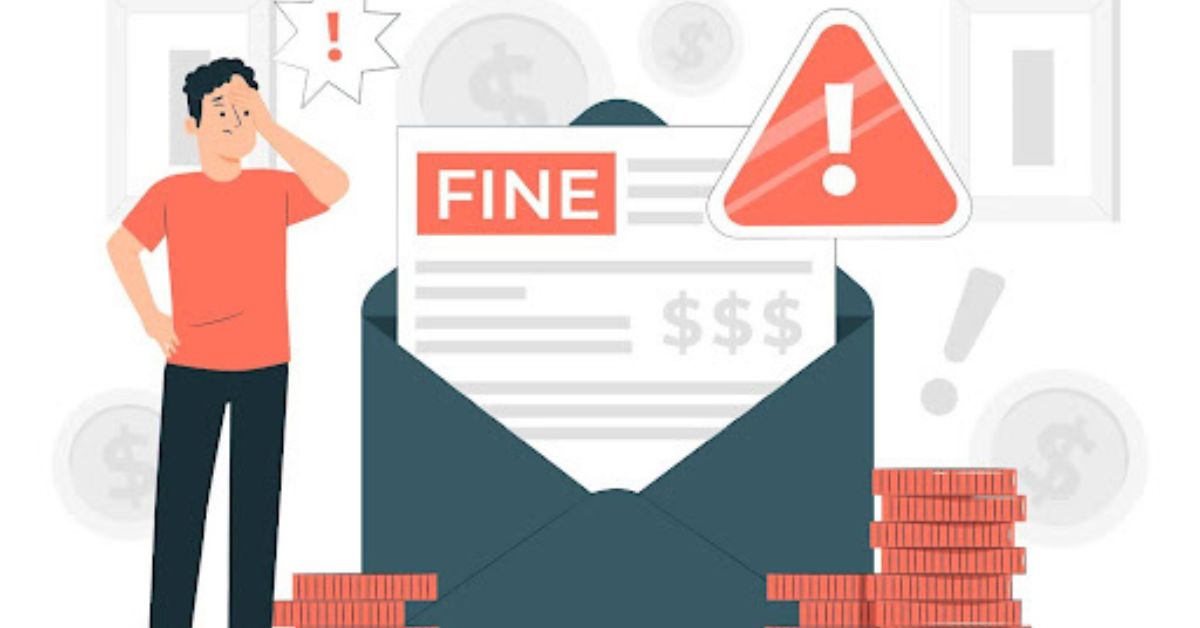
In 2018, the UAE introduced VAT (Value-Added Tax) to broaden its revenue sources. The country’s regulatory body, FTA (Federal Tax Authority) has strict rules for registration and tax filing to ensure companies meet VAT obligations and report accurate records.
To make everything easy to understand, we have provided VAT penalties in the case of non-compliance with the UAE value-added tax law.
Fail to Register for VAT
In the UAE, native businesses that have taxable goods and services worth more than AED 375,000 (mandatory registration threshold), or value expected to surpass this value in the next 30 days, are required to register for VAT. On the contrary, firms that are non-UAE natives are required to get registered for VAT irrespective of their taxable services and goods, in the territory of the UAE.
According to Administrative Penalties, Cabinet Decision No. (49) of 2021 states that businesses that surpass the mandatory VAT registration threshold must submit their VAT registration within a month (30 days). If enterprises fail to fulfill the requirement, they will pay AED 10,000 as a late submission penalty.
Fail to De-Register for VAT
If a corporation stops making taxable goods and services in the UAE, and its asset value decreases annually to AED 187,500, then it is required to apply for VAT De-registration within 20 days. If the company fails to do so, it has to pay a penalty of AED 1,000 (first offense) and AED 1,000/month for each subsequent offense.
Late Filings
The tax liability of a registered business is calculated by subtracting input tax from output tax. When the tax output value surpasses the input tax value, the companies are required to make a payment of the difference between the two values to the Federal Tax Authority. At this point, it is significant to understand that VAT returns should be filed within 28 days at the end of a specific tax period. In case of late filings, businesses have to bear a fine of AED 1,000 (first offense) and AED 2,000 for subsequent violations within 2 years.
Late Payments
By the end of the yearly quarter tax periods, VAT payments are considered late and they must be filed within 28 days. In case a business fails to do so, the following penalties will be bear by businesses:
- In case of tax non-payment, a 2% penalty is charged immediately.
- A monthly 4% penalty is levied on non-paid tax after a month 30 from the due date.
Submission of Incorrect VAT Return
Under-reporting, accounting mistakes, and other such incorrect submissions come under incorrect VAT reporting. This mistake could result in significant penalties. If the violation happens the first time, the business will incur a fine of AED 1,000. If the firm remains non-compliant for 2 years, they have to pay a double penalty which is AED 2000.
Poor Record Keeping
When it comes to VAT filing, organized financial record-keeping is the most crucial aspect. It includes records of receipts, invoices, relevant documents, and bank statements that assist in correct VAT calculations. In case of incorrect record-keeping, businesses incur fines. AED 10,000 penalty for the first violation, and if the business practices the same incorrect record keeping for 2 years, a penalty of AED 50000 will be charged.
Voluntary Disclosures
When a company comes to know that there is a mistake(s) in filing a VAT return, voluntary disclosure becomes mandatory. In case of an error of an amount less than AED 10,000, it can be reported to the FTA via VAT return for the period of identification. On the contrary, if the calculation error exceeds the amount of AED 10,000, it will become the obligation of the business to voluntarily disclose it to the FTA within 20 working days.
If VAT errors are identified by FTA before the business, there will be the following penalties:
- For a first violation, a fixed penalty of AED 1000 will be charged, and in case of subsequent noncompliance, it will be AED 2000.
- If a firm discloses a VAT tax error before FTA notices it, for the first year the penalty for this will be 5% of the underpaid tax. In the second year, it will be 10% of the underpaid tax, and for third year it will increase to 20% of the underpaid tax.
- When FTA declares errors in the VAT tax returns, it will charge a 50% tax fine for the low-paid tax. Also, from the specified deadline, there will be a 4% monthly tax penalty for the underpaid VAT tax.
Conclusion
The UAE VAT laws are strict and emphasize stringent compliance to ensure accurate reporting and timely payments. However, non-compliance results in severe penalties. The best way to be tax compliant in the UAE is to consult professional tax consultants. They have experts who ensure accurate and correct documentation.
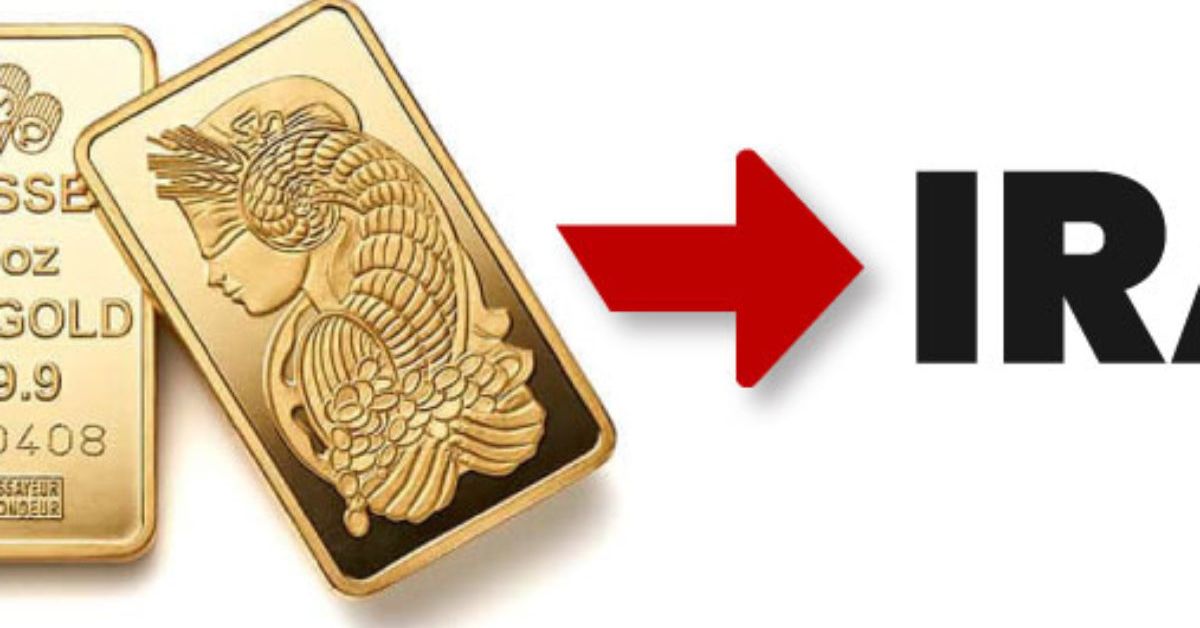
Introduction: The Growing Popularity of Gold IRAs
In recent years, Gold Individual Retirement Accounts (IRAs) have become an increasingly popular choice for investors looking to diversify their retirement portfolios. With gold being considered a stable asset that holds its value in times of market volatility, it’s no wonder that many people are turning to this precious metal to secure their financial future. However, along with the rising interest in Gold IRAs, there has also been a surge in scams aimed at unsuspecting investors. In 2025, it’s more important than ever to be aware of the various Common Gold Scams that exist within the industry. By understanding how these scams work, you can protect yourself and your investment. This article will provide you with the tools to spot Gold IRA scams and avoid falling prey to fraudulent schemes.
Recognizing Overpricing and Inflated Costs
One of the most common Gold IRA scams is the practice of overpricing gold and silver. Some dishonest dealers will sell precious metals at inflated prices, offering them as rare or high-quality items when, in fact, they are worth far less. This tactic is designed to deceive investors into paying more than the market value, often leading to significant losses over time. In some cases, scammers may also attach exorbitant premiums to the metals, claiming that the added cost is for rarity, collectibility, or special packaging.
To avoid overpaying for your gold investments, always check the current market prices for gold and silver before making a purchase. Reputable Common Gold Scams custodians and dealers will always provide transparent pricing based on the latest market values. Be cautious if a dealer offers gold or silver that seems too expensive, especially if the pricing is not aligned with standard market rates. If in doubt, seek a second opinion from a certified expert or check with trusted resources to verify the price.
Fake Storage Facilities and Nonexistent Custodians
Another common scam involves fake storage facilities or nonexistent custodians. According to IRS regulations, all precious metals held in an IRA must be stored in an IRS-approved depository. Scammers take advantage of this requirement by offering fake storage services, where they claim to store your precious metals in a secure facility, but in reality, they never do. In some cases, they may promise highly secure storage with no fees, only to later charge high amounts or never actually store the metals at all.
When investing in a Gold IRA, it’s critical to ensure that your chosen custodian works with a legitimate, IRS-approved depository. Always verify the storage facility’s legitimacy by researching their background, reading reviews, and confirming that they meet all legal and regulatory requirements. If the provider cannot provide details about their storage services or if you feel something is off, it is best to look elsewhere for a more reputable option.
The Danger of Hidden Fees
Hidden fees are another tactic commonly used by scammers to profit off unsuspecting investors. Many Gold IRA providers may advertise low fees but fail to disclose hidden charges that can eat into your investment. These fees can include transaction fees, account maintenance fees, storage fees, and even withdrawal fees. When these fees are not properly disclosed, they can accumulate over time, resulting in an unexpectedly high cost for managing your IRA.
Before committing to a Gold IRA provider, always request a clear and detailed breakdown of all fees associated with the account. This should include any fees for buying, selling, and storing the metals, as well as fees for the IRA custodian’s services. A reputable provider will provide full transparency about these costs, so you can make an informed decision. Be wary of any company that is unwilling to disclose their fees upfront or tries to hide them in the fine print.
The Use of High-Pressure Sales Tactics
Scammers often use high-pressure sales tactics to push investors into making hasty decisions without taking the time to fully understand the investment. These tactics include creating a sense of urgency, such as claiming that prices are going up rapidly or that the investment opportunity is only available for a limited time. They may also make exaggerated promises of high returns or push you to act immediately to “lock in” a deal.
Legitimate Gold IRA custodians and dealers understand that investing is a serious decision that requires careful consideration. If you encounter a provider who is pressuring you to act quickly, this is a major red flag. Take your time, research your options, and consult with a financial advisor if needed before making any decisions. A trustworthy provider will allow you to ask questions and ensure that you fully understand the terms of the investment before proceeding.
Misleading Marketing and False Claims of Guaranteed Returns
In addition to high-pressure tactics, some scammers make false claims about guaranteed returns on your Gold IRA investment. While gold is historically considered a safe and stable investment, there are no guarantees when it comes to the market. Scammers may promise unrealistic returns or advertise “no-risk” investments, which is a clear indicator of fraud.
Investing in gold, like any other asset, carries risks. A reputable Gold IRA provider will be upfront about these risks and will not make unrealistic promises. If an offer seems too good to be true, it probably is. Always be cautious of any company that offers “guaranteed” returns or promises that your investment will be risk-free. Such claims are almost always a red flag for a scam.
Scams Involving Fake IRA Accounts
Some fraudsters take a more sophisticated approach by creating fake IRA accounts and convincing investors to transfer their funds into these accounts. These scams often involve fake paperwork, which may look official at first glance but is actually fabricated. Once the funds are transferred, the scammers either steal the money or disappear, leaving the investor with no recourse.
To avoid falling victim to this type of scam, always verify the legitimacy of any IRA account or custodian before transferring any funds. Legitimate providers will provide you with clear documentation and allow you to easily access your account information. If you receive paperwork that seems suspicious or too good to be true, do not proceed with the transaction until you have verified its authenticity with a trusted authority.
Unclear or Fake Buyback Programs
Many Gold IRA providers offer buyback programs, promising to purchase your gold and silver back at market value when you decide to sell. However, some scammers use fake buyback programs to lure investors into a false sense of security. These programs may not actually exist or may come with restrictive terms that make it difficult to redeem your investment.
Before purchasing precious metals through a Gold IRA, ensure that the buyback program is legitimate and that it offers reasonable terms. A reputable provider will have a transparent buyback policy that clearly outlines the process and any associated fees. Be cautious if a company does not clearly explain the buyback process or offers unreasonable restrictions on how you can sell your metals in the future.
Conclusion
Gold IRAs can be a valuable tool for diversifying your retirement portfolio and protecting your wealth from inflation. However, as with any investment, it’s crucial to be aware of the risks and scams that can jeopardize your financial security. By recognizing the warning signs of Common Gold Scams, such as overpricing, hidden fees, fake storage facilities, and misleading marketing, you can protect yourself and make informed decisions.
Before choosing a Gold IRA provider, always do your due diligence. Research the company’s background, verify their credentials, and read customer reviews to ensure they have a solid reputation. Ask questions about fees, storage options, and the buyback program, and make sure you fully understand the terms before committing. By taking these precautions and staying vigilant, you can protect your retirement savings and avoid falling victim to scams in the Gold IRA industry.
Investing in gold is an excellent way to safeguard your financial future, but it’s essential to make sure you are working with a reputable and trustworthy provider. Please read the reviews and information provided on trusted resources, such as the CGE Gold IRA scams webpage, before making any decisions. By doing so, you’ll increase your chances of making a secure, profitable investment.
-

 TECHNOLOGY1 year ago
Elevating Game Day Eats: A Guide to Crafting Crowd-Pleasing Sliders
-

 ENTERTAINMENT1 year ago
wave_of_happy_: Your Ultimate Guide
-
 FASHION1 year ago
GPMsign Fashion: Redefining Style with Purpose
-

 TECHNOLOGY11 months ago
Trader Joe’s Dayforce: Revolutionizing Workforce Management
-

 FOOD1 year ago
Altador Cup Food Court Background: A Culinary Extravaganza Unveiled
-

 SPORTS1 year ago
Score Chaser Sporting Clays: A Thrilling Pursuit of Precision
-
 HOME IMPROVEMENT9 months ago
What Kitchen Renovation Companies Offer Beyond Basic Remodeling
-
 NEWS1 year ago
Nyl2 Kemono: Unveiling the World